Karnataka's Cow Shelters Struggle with Low Occupancy Post-Launch
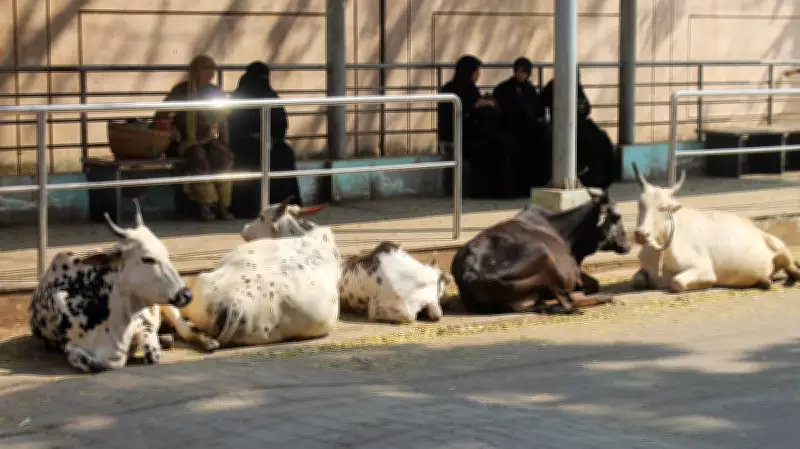
In Karnataka, state-run cow shelters, which were inaugurated with significant fanfare and public attention, are currently grappling with underutilization issues. Despite the government's efforts to promote animal welfare and provide safe havens for stray cattle, these facilities have not reached their intended capacity, leading to concerns about the effectiveness of the initiative.
Initial Enthusiasm Meets Reality Check
The shelters were launched as part of a broader scheme aimed at addressing the problem of stray cows in urban and rural areas. Officials had highlighted the project as a key step towards protecting cattle and reducing incidents of road accidents and crop damage caused by wandering animals. However, recent reports indicate that many of these shelters are operating well below their full potential, with occupancy rates remaining disappointingly low.
This underutilization raises critical questions about the planning and execution of the program. Factors such as location, accessibility, and awareness among local communities may have contributed to the current situation. Additionally, there are concerns about the allocation of resources, including funding and manpower, which might not be optimally utilized given the low turnout.

Challenges in Implementation and Public Response
Experts suggest that while the intent behind the cow shelters is commendable, practical hurdles have hindered their success. For instance, some shelters are situated in remote areas, making it difficult for farmers and residents to transport stray cattle to these facilities. Moreover, there appears to be a lack of widespread awareness about the existence and benefits of these shelters, leading to minimal public participation.
The situation underscores the need for a more robust outreach strategy and better coordination between government agencies and local communities. Without addressing these gaps, the shelters risk becoming white elephants, failing to serve their primary purpose of animal welfare and public safety.
Looking Ahead: Potential Solutions and Government Action
To improve utilization, authorities could consider relocating some shelters to more accessible locations, enhancing publicity campaigns, and involving non-governmental organizations in the management and promotion of these facilities. Regular monitoring and feedback mechanisms might also help in identifying and rectifying issues promptly.
As Karnataka continues to grapple with the challenge of stray cattle, the success of its cow shelter initiative will depend on adaptive strategies and sustained efforts. The current state of underutilization serves as a reminder that launching schemes with fanfare is only the first step; effective implementation and community engagement are crucial for long-term impact.