Karnataka's Major Reservoirs Provide Summer Relief with Stable Water Levels
As Karnataka enters the peak of its summer season, the state has received significant relief with encouraging water levels reported at two of its most critical reservoirs: the Krishna Raja Sagara dam and the Kabini reservoir. This development has brought reassurance to authorities and lakhs of residents who depend on these water bodies for their drinking and agricultural needs.
KRS Dam Shows Robust Storage Levels
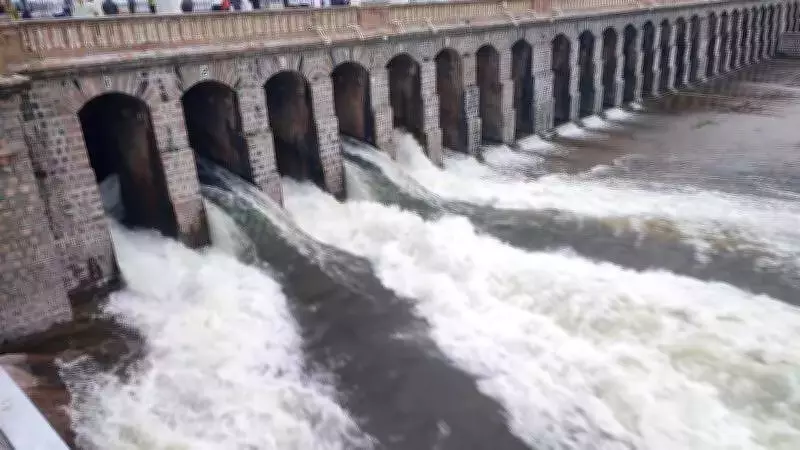
The Krishna Raja Sagara dam, a vital infrastructure project, currently stands at a water level of 113.8 feet. This measurement is against its maximum capacity of 124.8 feet, indicating a healthy storage situation. Officials have noted that the current level is almost on par with the corresponding period from last year, which provides confidence that there will be no immediate drinking water crisis.
This reservoir serves as a lifeline for several key urban centers, including Mysuru, Mandya, Ramanagara, and Bengaluru. It meets both domestic water requirements and irrigation needs, playing a crucial role in supporting agricultural activities across the Cauvery basin region. The stability in water levels is particularly important as it ensures a steady supply for both urban populations and farming communities.
Kabini Reservoir Also Holds Sufficient Water
Meanwhile, the Kabini reservoir, another essential drinking water source for Mysuru and Bengaluru, has recorded a water level of 2,271.99 feet. This is compared to its full reservoir level of 2,284 feet. Although this level is slightly lower than last year's measurement of 2,275.3 feet during the same period, officials maintain that the current storage is more than sufficient to meet present demands.
The combined performance of these two reservoirs offers a buffer against potential water shortages, which are common during the intense summer months in Karnataka.
Official Statements and Future Planning
Jayanth V, an executive engineer with the Cauvery Neeravari Nigam, provided insights into the current water availability. He stated that the water levels this year are adequate to cater to the drinking and agricultural demands of Mandya, Mysuru, and Bengaluru. However, he emphasized that while the situation is comfortable at present, scientific planning and prudent water management will be essential in the coming months to avoid any unexpected shortages.
Authorities have reassured the public that there is no immediate cause for alarm. Nonetheless, they have made a strong appeal to citizens to use water responsibly and avoid wastage. This call for conservation is aimed at ensuring a sustained water supply throughout the summer season, thereby preventing any future crises.
Broader Implications for Water Security
The stable water levels in these reservoirs highlight the importance of effective water management strategies, especially in regions prone to seasonal droughts. The data from KRS and Kabini not only provide short-term relief but also underscore the need for ongoing monitoring and adaptive measures to cope with changing climatic conditions.
As Karnataka continues to navigate the challenges of summer, the current status of these key water sources offers a hopeful outlook for both urban and rural communities reliant on them.