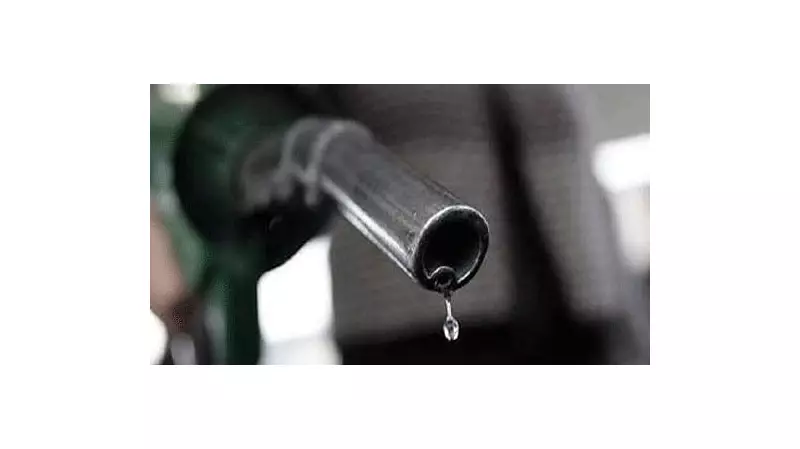
Experts representing the Karnataka government have issued a clear rebuttal to widespread public concerns regarding the use of ethanol-mixed petrol in vehicles. Contrary to popular belief, they assert that blending ethanol with petrol does not lead to a dip in a vehicle's fuel efficiency or overall mileage.
Addressing Public Concerns on Fuel Efficiency
The statement comes as a direct response to observations from both the general public and some quarters highlighting potential efficiency losses. A common perception has been that the majority of vehicles on Indian roads are not fully compatible with such blended fuels, leading to fears of reduced performance and higher fuel costs for consumers.
The government's technical experts, however, have presented findings to counter this narrative. They emphasize that when used as directed and within specified blend ratios, ethanol-blended petrol is designed to maintain optimal engine performance. The official clarification was disseminated on 06 December 2025, aiming to dispel myths and build confidence in the nation's biofuels push.
The Science and Policy Behind Ethanol Blending
Ethanol blending is a key component of India's strategy to reduce crude oil imports, decrease carbon emissions, and support the agricultural sector. The push towards higher blends like E20 (20% ethanol, 80% petrol) is a central pillar of this policy. The Karnataka government's experts have stepped in to assure vehicle owners that the transition is being managed with technical rigor.
Their core message is that modern vehicles, especially those manufactured in recent years, are built to handle such blends without adverse effects on their fuel economy. For older vehicles, they recommend following manufacturer guidelines, but maintain that significant efficiency drops are not a foregone conclusion.
Implications for Consumers and the Green Agenda
This clarification has significant implications. Firstly, it seeks to alleviate consumer anxiety about rising fuel expenses due to perceived lower mileage. Secondly, it strengthens the government's position in promoting greener fuel alternatives. By publicly addressing these efficiency concerns, authorities hope to accelerate the adoption of blended fuels across the state and the country.
The move underscores a broader effort to educate the public on the benefits and practicalities of ethanol-blended petrol. As India advances its sustainable energy goals, such assurances from state-level experts are crucial for gaining public trust and ensuring a smooth transition towards a more eco-friendly transportation fuel mix.