Karnataka Governor Thaawarchand Gehlot Walks Out of Assembly Without Reading Government-Drafted Speech
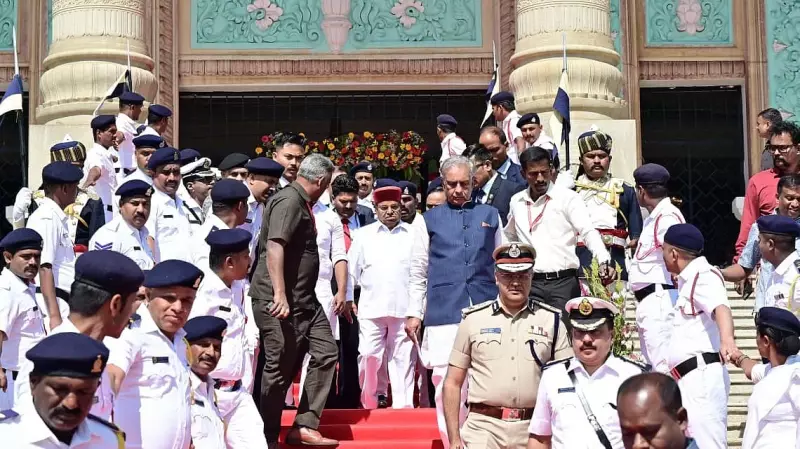
In a dramatic turn of events at the Karnataka Assembly, Governor Thaawarchand Gehlot staged a walkout on Wednesday, refusing to read the speech drafted by the state government. This unprecedented move has ignited a political firestorm, with Chief Minister Siddaramaiah condemning the action as an insult to the legislative House.
Background of the Controversy
The incident unfolded during a joint session of the legislature, where Governor Gehlot was scheduled to deliver the customary address outlining the government's policies and priorities. However, tensions had been brewing prior to the session. Reports indicate that on the same day, Gehlot had refused to address the assembly unless 11 specific paragraphs were removed from the government-prepared speech.
These paragraphs, believed to contain contentious political statements or policy announcements, became the sticking point. When the government declined to make the requested changes, the Governor opted for a bold protest by exiting the chamber without delivering the speech at all.

Political Reactions and Fallout
Chief Minister Siddaramaiah, leading the Congress government in Karnataka, was quick to respond. He labeled the Governor's walkout as a grave disrespect to the constitutional norms and traditions of the Assembly. In his statement, Siddaramaiah emphasized that such actions undermine the dignity of the legislative process and set a dangerous precedent.
The opposition parties have also weighed in, with some supporting the Governor's stance as a check on the government, while others criticized it as an overreach of gubernatorial powers. This incident highlights the ongoing tensions between the state government and the Governor's office, a recurring theme in Indian federal politics.
Constitutional and Procedural Implications
The Governor's role in reading the government-drafted speech is largely ceremonial, but it holds symbolic importance in the parliamentary system. By walking out, Gehlot has raised questions about:
- The extent of a Governor's discretion in such matters.
- The balance of power between elected governments and appointed Governors.
- The potential impact on legislative proceedings and governance in Karnataka.
This event is likely to fuel debates on gubernatorial conduct and the need for clearer protocols in similar situations across India.
Historical Context and Similar Incidents
While rare, such confrontations are not unheard of in Indian politics. Past instances include:
- Governors expressing dissent through delayed speeches or selective omissions.
- Political standoffs leading to procedural deadlocks in state assemblies.
- Legal and constitutional challenges arising from gubernatorial actions.
In Karnataka, this episode adds to a series of recent political skirmishes, reflecting the broader dynamics of center-state relations in the country.
What Happens Next?
The immediate aftermath may involve:
- Formal protests or resolutions in the Assembly against the Governor's action.
- Discussions between state and central leadership to resolve the impasse.
- Possible legal or constitutional reviews of the incident.
As the situation develops, it will be closely watched for its implications on Karnataka's political stability and inter-governmental relations.