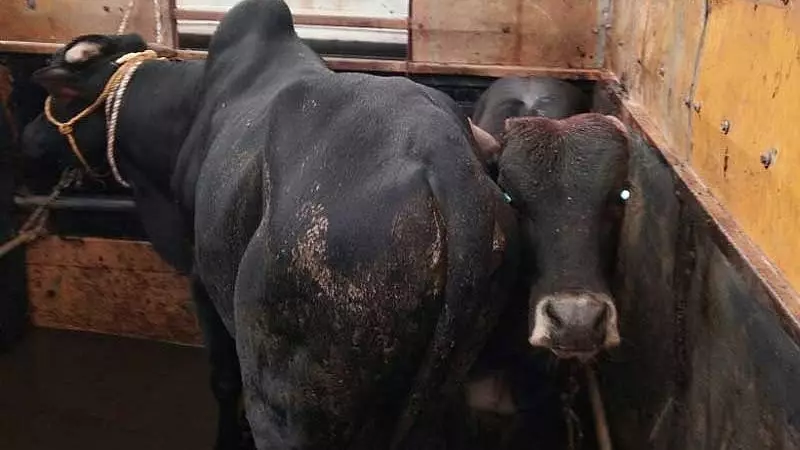
The Karnataka government has introduced a significant procedural change to ease the release of vehicles confiscated by authorities on charges of illegal cattle transportation. This move is designed to simplify what was often a lengthy and cumbersome legal process for vehicle owners.
New Guidelines for Quicker Vehicle Release
Under the new directive issued by the Animal Husbandry Department, the process for releasing seized vehicles has been substantially streamlined. Previously, owners faced a complex legal maze to reclaim their trucks, tempos, or other vehicles detained by officials from the department or the police.
The core of the new policy states that vehicles can now be released upon the execution of a bond. This eliminates the previous requirement for owners to obtain a formal release order from a magistrate's court, a step that often caused considerable delays.
Addressing Legal and Logistical Hurdles
The decision comes as a response to practical challenges encountered after seizures. When vehicles are impounded under the Prevention of Cruelty to Animals Act, 1960, and the Karnataka Prevention of Animal Sacrifice Act, 1959, they are typically kept in police stations or government grounds.
This prolonged custody frequently led to the deterioration of the vehicles, causing financial loss to the owners, even in cases where they were ultimately found not guilty. Furthermore, the old system contributed to a backlog of cases in already overburdened courts.
The government's circular explicitly highlights that the necessity of approaching the court for a release order was creating unnecessary complications. The revised procedure aims to protect vehicle owners from asset damage while ensuring legal provisions are still respected.
Procedure and Conditions for Release
While the process is simplified, it is not without conditions. The authorities have outlined specific steps for the release. The seized vehicle will be handed back to its registered owner after they furnish a personal bond. This bond serves as a guarantee.
The bond ensures the owner will produce the vehicle before the court as and when required during the legal proceedings. This safeguard is crucial to maintain the vehicle as potential evidence if the case goes to trial.
The new guidelines are expected to benefit numerous transport operators and vehicle owners in the state who have found themselves entangled in legal procedures following seizures related to cattle transport allegations. The policy shift reflects an administrative effort to balance law enforcement with practical considerations of justice and asset preservation.