

Karnataka High Court Orders Emergent Notices in MUDA Land Allotment Case
The Karnataka High Court has taken a significant step in the Mysuru Urban Development Authority (MUDA) alternative sites allotment case by ordering the issuance of emergent notices to multiple high-profile individuals. This development comes in response to a petition filed by complainant Snehamayi Krishna, who is challenging the B report submitted by the Lokayukta police.
Notices Issued to Chief Minister and Associates
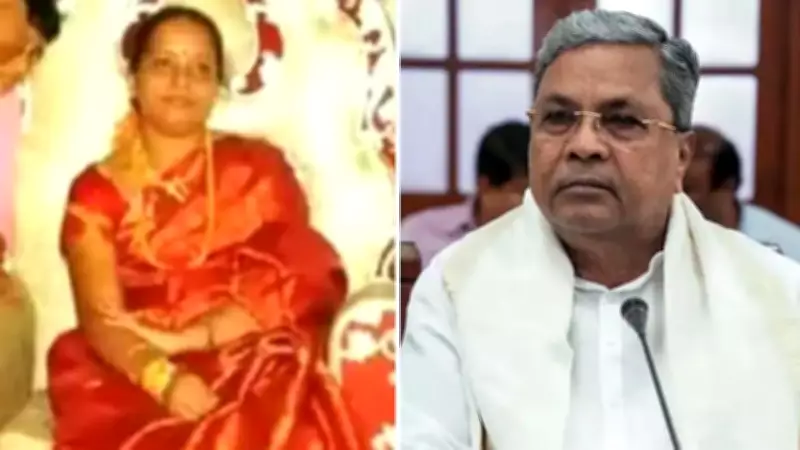
Justice S Sunil Dutt Yadav has directed that notices be served to Chief Minister Siddaramaiah and his wife Parvathy. Additionally, the court has ordered notices to the Lokayukta police, the Directorate of Enforcement (ED), Devaraj (the seller of the lands in question), Mallikarjuna Swamy (the brother-in-law of the chief minister), and GT Dinesh Kumar (former Commissioner of MUDA). This comprehensive list underscores the wide-ranging nature of the judicial scrutiny in this case.
Background of the B Report and Special Court Decision
The B report, which was submitted by the Lokayukta police on February 12, 2025, was accepted by the Special Court for elected representatives on January 28, 2026. This acceptance resulted in the exoneration of Chief Minister Siddaramaiah, his wife Parvathi, and others involved in the case. The report essentially cleared them of allegations related to the MUDA land allotment matter.

Complainant's Challenge and Allegations
Snehamayi Krishna has filed a petition challenging this decision, arguing that the special court failed to properly consider the allegations against the accused. He contends that the issue is not merely a private dispute but involves the abuse of constitutional office, which warrants more rigorous examination.
Krishna further points out that while the special court allowed investigations against MUDA officials arising from the same actions, it exonerated the alleged beneficiaries. He asserts that the denotification of land, its subsequent transfer, and the allotment of 14 compensatory sites to the chief minister's wife constitute a single, composite chain of acts. According to him, this forms the basis for a criminal conspiracy under Section 120B of the Indian Penal Code, which relies on a unity of purpose and design.
By exonerating the beneficiaries while continuing investigations against the facilitators, Krishna argues that the special court has artificially compartmentalized what is inherently an individual action. He is seeking the intervention of the high court to address this perceived inconsistency and ensure a thorough judicial review of the matter.
Implications and Next Steps
The issuance of emergent notices by the Karnataka High Court marks a pivotal moment in this ongoing legal battle. It indicates that the court is taking the complainant's petition seriously and is willing to re-examine the decisions made by the special court and the Lokayukta police. This case highlights the complexities involved in allegations of corruption and abuse of power at high levels of government, and its outcome could have significant political and legal ramifications in Karnataka.
As the notices are served and responses are awaited, all eyes will be on the Karnataka High Court to see how it navigates this sensitive and high-stakes case involving the state's chief minister and his associates.






