Karnataka Health Minister Faces Intense Legislative Assembly Grilling Over Health Department Policies
Bengaluru: The Karnataka government encountered severe criticism from both opposition members and its own legislators during a heated session in the legislative assembly on Tuesday. The focus of the debate was the health department's controversial transfer policy and widespread allegations of critical shortages of doctors and essential medicines in government hospitals across the state.
Opposition Leader Launches Scathing Attack on Department's Functioning
Initiating a sharp debate on the department's operations, opposition leader R Ashoka launched a direct assault on the governance of the health ministry. He alleged significant internal discord among senior officials, citing specific correspondence between top bureaucrats to question the minister's control.
"The health department is unhealthy," Ashoka declared forcefully. "The principal secretary has not come to office for the past eight months. He has chosen to work from home. The secretary has filed a complaint against the principal secretary. The department is infested with indiscipline and misconduct. The minister has no control over his department."

Specific Allegations of Vacancies and Transfer Policy Fallout
Ashoka's colleague, CN Ashwath Narayan, presented detailed figures to support the opposition's claims. He alleged there are currently 4,922 vacancies against 7,173 sanctioned posts in the health department, creating a massive staffing crisis.
"The government's transfer policy has resulted in Community Health Centres being virtually defunct as doctors including gynaecologists and anaestheticians have been transferred to hospitals much against their consent," Narayan stated. "Patients are in distress because of a shortage of essential drugs."
Health Minister Defends Policies Amidst Mounting Criticism
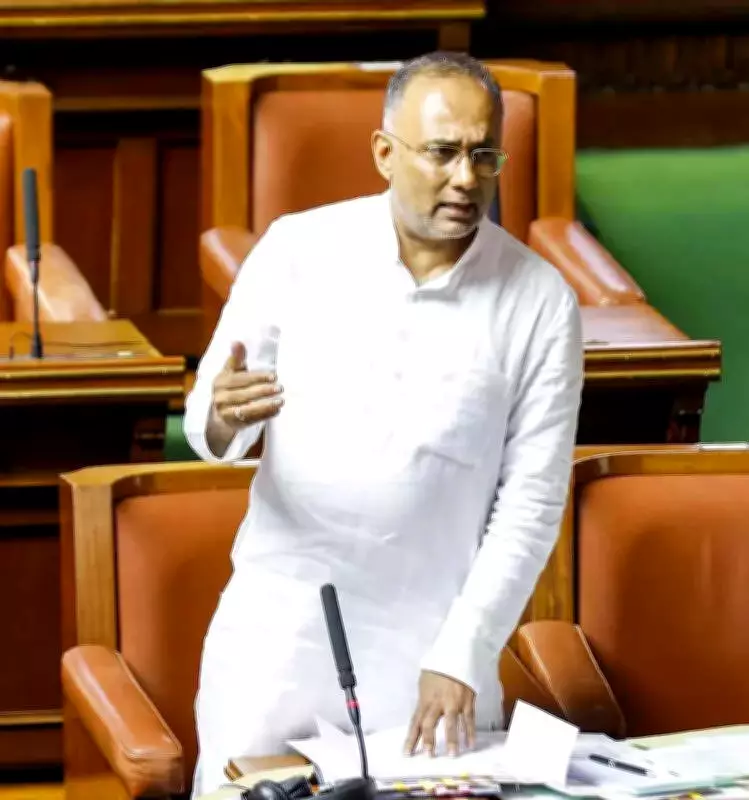
Health Minister Dinesh Gundu Rao came under severe flak during the session, with multiple members questioning the ground realities of healthcare services in rural areas and highlighting significant gaps in Community Health Centres. Defending the policy of counselling-based transfers, Gundu Rao insisted the move was aimed at ensuring transparency and implementing necessary reforms.
The minister flatly rejected allegations of medicine shortages in government hospitals. "We have rectified errors. As for medicines, the government released Rs 860 crore to procure them," he explained. "Some 534 medicines were procured by Karnataka State Medical Supplies Corporation Ltd and 356 locally by hospitals. The tender process is on to procure another 216 medicines."
Congress Members Contradict Minister's Claims
Despite the minister's defense, senior Congress member BR Patil directly contradicted Gundu Rao's assertions. Patil stated there were no doctors at all in the Community Health Centre in his Aland constituency, suggesting officials may have provided the minister with misleading information.
Congress legislator Mahantesh Koujalagi echoed these concerns, suggesting the health minister was too focused on urban areas since he represents a Bengaluru constituency. This criticism highlighted the perceived urban-rural divide in healthcare service delivery.
Minister's Detailed Response and Opposition's Final Rejection
In his detailed reply, Gundu Rao insisted the policies were designed to make genuine improvements based on practical experience. "Transfers were made via counselling last year, and the process will begin from April this year," he clarified, outlining the department's planned approach.
However, opposition leader Ashoka dismissed the minister's explanation as "bogus" and insisted he possessed letters from doctors directly highlighting medicine shortages. Following this exchange, Ashoka announced a BJP walkout from the assembly, dramatically concluding the contentious debate that exposed deep concerns about Karnataka's public healthcare system.