Karnataka Government Delays Internal Quota Decision Until After Elections
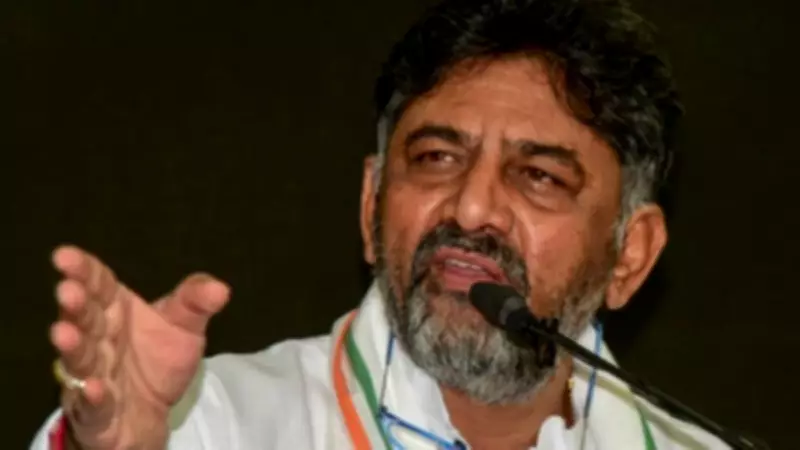
In a significant political development, Karnataka Deputy Chief Minister DK Shivakumar has declared that the state government will make a decision on the contentious issue of internal reservations for Scheduled Castes (SC) and Scheduled Tribes (ST) only after the conclusion of the upcoming elections. This announcement comes amidst ongoing demands from various communities for a more equitable distribution of reservation benefits within these categories.
Need for Extensive Consultation and Deliberation
Shivakumar emphasized that the government requires ample time to conduct comprehensive consultations with all stakeholders, including community leaders, legal experts, and political representatives. He stated that rushing such a sensitive and complex matter could lead to unintended consequences and social discord. The Deputy Chief Minister highlighted the importance of ensuring that any decision on internal quotas is based on thorough research and consensus-building to promote social justice effectively.
The internal reservation debate in Karnataka has been a long-standing issue, with communities like the Madigas and others advocating for a sub-categorization within the SC/ST quotas to address disparities in representation and access to opportunities. Currently, the state provides a total of 15% reservation for SCs and 3% for STs, but there have been persistent calls to allocate specific percentages to different sub-groups based on their socio-economic conditions.

Political Implications and Electoral Considerations
By postponing the decision until after the elections, the government appears to be navigating the delicate political landscape, where reservation policies often influence voter sentiment. Shivakumar's statement suggests a strategic move to avoid potential backlash or controversy during the election period, allowing the ruling party to focus on campaigning without being embroiled in divisive debates.
This delay also reflects the broader challenges in implementing reservation reforms, as governments must balance legal frameworks, judicial precedents, and societal expectations. The Supreme Court of India has previously addressed similar issues in other states, underscoring the need for empirical data and rational criteria when modifying reservation structures.
Future Steps and Community Expectations
Moving forward, the Karnataka government plans to establish committees or task forces to study the demographic and socio-economic status of various SC/ST sub-groups. This data-driven approach aims to formulate a fair and legally sound proposal for internal quotas. Community leaders have expressed mixed reactions, with some welcoming the cautious stance while others urge faster action to address historical injustices.
In summary, the postponement of the internal quota decision highlights the complexities of reservation politics in India. As Karnataka prepares for elections, this issue remains a critical point of discussion, with implications for social harmony and electoral outcomes. The government's commitment to post-election deliberations signals a prioritization of due process over immediate political gains.