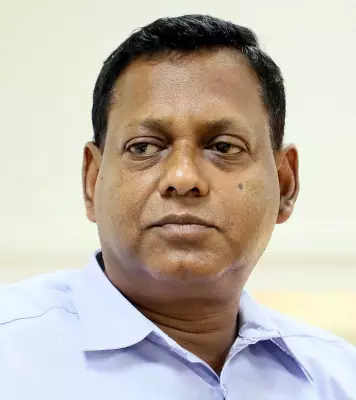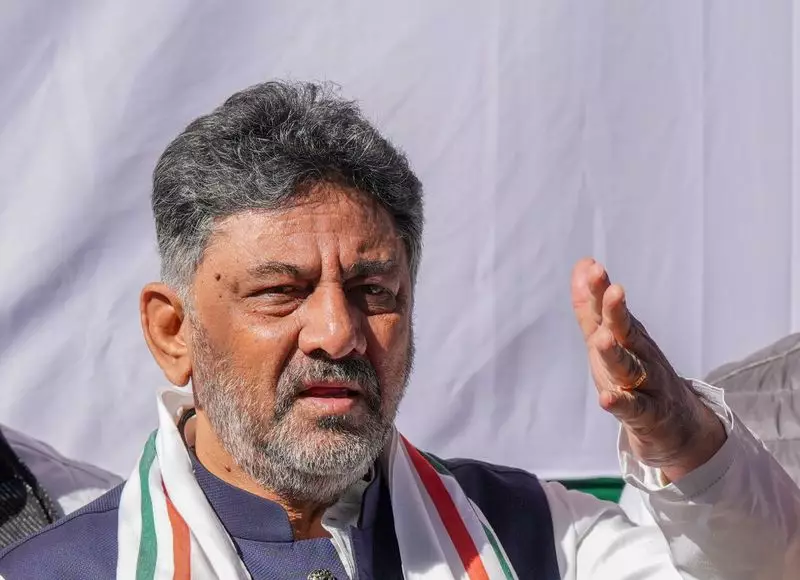
The Congress government in Karnataka has made a significant announcement regarding the state's democratic schedule. Deputy Chief Minister D K Shivakumar declared that elections for all urban and rural local bodies will be conducted simultaneously in the year 2026. This decision marks a major shift in the state's electoral calendar and administrative planning.
A Unified Electoral Schedule for Better Governance
Shivakumar, who also holds the portfolio for Bengaluru's development, stated that the government has decided to hold elections for all local bodies together. This includes crucial civic bodies like the Bruhat Bengaluru Mahanagara Palike (BBMP), other city municipal corporations, town municipal councils, and gram panchayats. The move is designed to bring administrative coherence and synchronized development across Karnataka's urban and rural landscapes.
The Deputy CM emphasized that this unified approach would prevent the staggered development that often occurs when different local bodies operate on different electoral cycles. By aligning all terms to end and begin together, the state government aims to implement policies and projects with greater coordination.
Focus on Bengaluru and Infrastructure
During his announcement, Shivakumar specifically addressed the long-pending elections for the BBMP, which governs India's tech capital, Bengaluru. He confirmed that the BBMP elections, which have been delayed, will now be held as part of this consolidated 2026 exercise. In the interim, the government's priority is to execute substantial infrastructure projects in the city.
Key projects include the remodelling of stormwater drains to prevent flooding, a chronic issue in Bengaluru, and the ambitious construction of signal-free corridors to decongest the city's notorious traffic. The administration believes that completing these foundational projects before the elections will allow the next elected civic body to focus on governance rather than basic infrastructure crises.
Rationale and Political Implications
The decision to cluster all local body polls in 2026 is not merely administrative but carries considerable political weight. Holding elections together could potentially create a "wave" effect, where the performance and popularity of the state government significantly influence the outcomes at the local level. This strategy is often employed by ruling parties to consolidate power across different tiers of governance.
Furthermore, Shivakumar pointed out that the current terms of various local bodies are ending at different times. Synchronizing them requires a constitutional process and amendments to relevant laws. The state government is prepared to undertake this legal groundwork to ensure the 2026 deadline is met. This move also provides the Congress administration with a clear timeline to showcase its development work before facing the electorate at the grassroots level.
The announcement sets the stage for a major political event in Karnataka midway through the current state government's term. It gives all political parties, including the opposition BJP and JD(S), a clear timeframe to prepare their strategies for the local body elections, which are often seen as a barometer of public sentiment.