

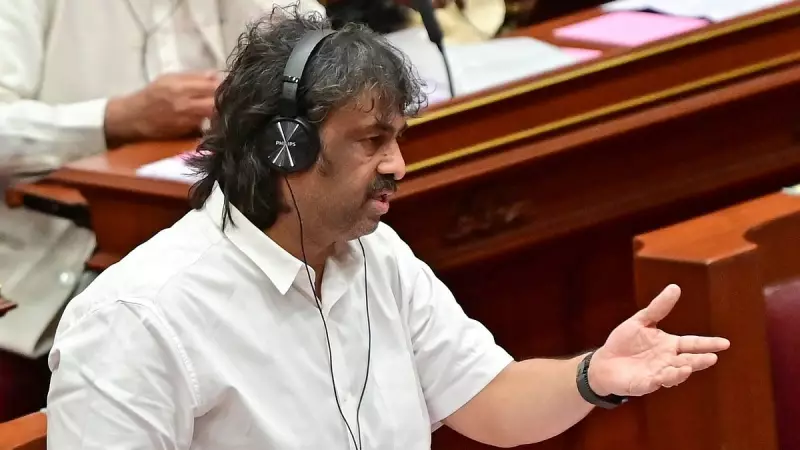
Karnataka Government Reconsiders RTE Amendment Bill Amidst Public Debate
The Karnataka state government is reportedly on the verge of withdrawing the proposed amendments to the Right to Education (RTE) Act, a move that has been met with both relief and scrutiny from various educational stakeholders. This decision comes after the amendments, which were introduced earlier this year, ignited a heated debate over their potential impact on private schools and the broader framework of educational access in the state.
Background of the Controversial Amendments
The proposed amendments to the RTE Act in Karnataka aimed to modify several key provisions, including those related to the admission of students from economically weaker sections in private schools, teacher qualifications, and infrastructure standards. Critics argued that these changes could dilute the original intent of the RTE Act, which was enacted to ensure free and compulsory education for all children aged 6 to 14 years. Supporters, however, contended that the amendments were necessary to address practical challenges faced by private institutions and to streamline implementation.
Reasons for the Likely Withdrawal
Several factors have contributed to the government's reconsideration of the RTE amendments. Public opposition has been a significant driver, with parents, activists, and educational experts expressing concerns that the changes might reduce accountability and equity in the education system. Additionally, legal and administrative hurdles have emerged, as the amendments faced scrutiny for potential conflicts with central government guidelines and constitutional principles. The state government is now weighing the political and social implications, recognizing that proceeding with the amendments could lead to further controversy and legal challenges.

Implications for Karnataka's Education Landscape
If the government proceeds with withdrawing the amendments, it will maintain the current RTE framework, which includes provisions for 25% reservation of seats in private schools for children from disadvantaged backgrounds. This decision could have far-reaching effects:
- Stability for Private Schools: Private institutions may benefit from continued clarity and consistency in regulations, avoiding the uncertainty that the amendments would have introduced.
- Enhanced Access for Marginalized Groups: By preserving the existing RTE provisions, the state ensures that educational opportunities for underprivileged children remain protected, aligning with national goals of inclusive education.
- Policy Reflection: This move highlights the importance of stakeholder consultation in policy-making, as the government appears to be responding to feedback from the public and educational bodies.
The potential withdrawal underscores the dynamic nature of education policy in India, where state governments must balance innovation with adherence to foundational laws like the RTE Act. As Karnataka navigates this issue, it sets a precedent for other states grappling with similar reforms, emphasizing the need for careful deliberation in shaping the future of education.






