

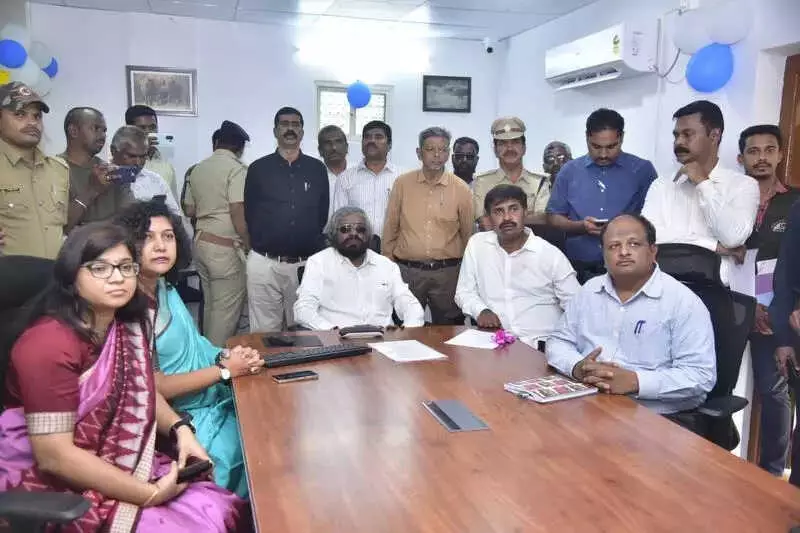
In a significant move to address the escalating issue of human-wildlife conflict, Karnataka's Forest Minister Eshwar Khandre has issued a direct order for forest authorities to leave their headquarters and embed themselves within affected villages. The directive was given during a high-level meeting with officials from Chamarajanagar and Mysuru circles in Kollegal on Wednesday.
Directives for Proactive Ground Presence
Minister Khandre instructed forest personnel to physically stay in villages that frequently report conflicts with wild animals. He emphasized the need to listen to local grievances firsthand and provide immediate solutions, moving away from a desk-bound approach. A key operational change involves setting up temporary camps within a 5-kilometer radius of these vulnerable villages. This measure is designed to ensure foresters can rush to conflict spots without delay.
To enhance vigilance, the minister mandated increased patrolling, specifically within a 100-metre radius of known tiger movement zones in conflict-prone areas. He also directed the use of the government's e-patrol software to monitor the activities of frontline patrolling staff in real-time. Officials were asked to provide feedback on this new software to aid its further development.

Emphasis on Technology, Awareness, and Coexistence
Recognizing that forest depletion and rising wildlife numbers are primary drivers of conflict, Khandre stressed that only advanced technology combined with a philosophy of coexistence can mitigate the problem. This vision was underscored at the inauguration of a Comprehensive Command Centre at the MM Hills forest division in Kollegal.
The minister stated that such command centres, which enhance surveillance and coordination, are a successful solution. Currently, centres are operational in Nagarahole, MM Hills, Kali, and Madikeri, with staff already trained. Plans are underway to extend this network to high-conflict zones including Chikkamagaluru division, Bannerghatta National Park, Bandipur and BRT Tiger Reserves, and Hassan circle. A state-level command centre is also planned for Bengaluru and will be inaugurated after the legislature session.
Beyond technology, Khandre advised conducting mock drills to educate children living on forest fringes about how to react during encounters with wild animals, promoting safety through awareness.
Recognition for Rescue Efforts and Key Attendees
The meeting was attended by legislators AR Krishnamurthy and Manjunath. Taking a moment to commend exemplary work, Minister Khandre honoured forest staff and veterinarians involved in the recent successful rescue of an elephant. The animal was trapped in a canal near the Shivanasamudra hydropower reservoir at a depth of 40 feet.
The team recognised included Mandya DCF Raghu, assistant conservator of forest Mahadevaswamy, range forest officer Gaviappa, veterinarian Dr Adarsh, and elephant handler Akram. This recognition highlights the department's commitment to both wildlife conservation and mitigating conflict situations through direct action.






