

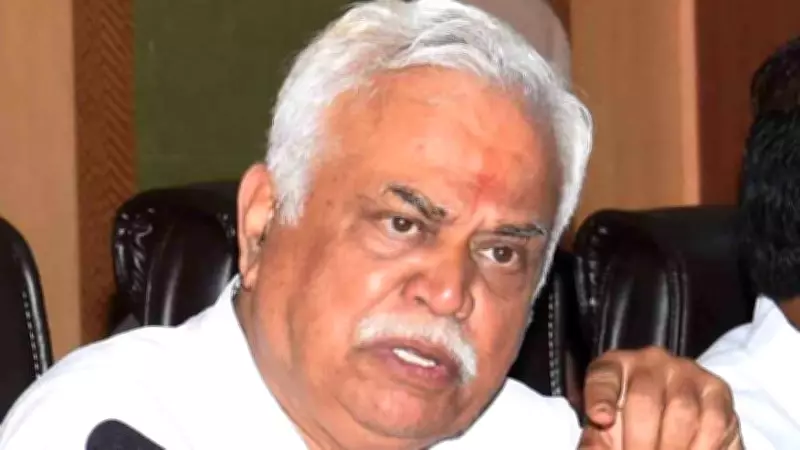
Karnataka MLA Raises Alarm Over Bus Crowding from Shakti Scheme
A Congress MLA in Karnataka has brought attention to a significant surge in bus crowding, specifically involving women passengers, which he directly links to the state government's Shakti scheme. This initiative, launched to promote gender equality and mobility, provides free bus travel for women across Karnataka, but its success appears to be straining public transport infrastructure.
Details of the Shakti Scheme and Its Impact
The Shakti scheme, a flagship program of the Karnataka government, aims to empower women by offering them complimentary travel on state-run buses. Since its implementation, there has been a notable increase in female ridership, as reported by the MLA. However, this positive outcome has led to overcrowded buses, particularly during peak hours, causing discomfort and potential safety issues for all passengers.
The MLA emphasized that while the scheme is beneficial for women's accessibility, the current bus fleet and scheduling may not be adequately equipped to handle the heightened demand. This situation underscores a critical need for infrastructural upgrades to support the policy's goals without compromising service quality.

Broader Implications for Public Transport
This development highlights a common challenge in public policy: balancing social welfare initiatives with practical logistics. The crowding issue could affect daily commuters, including students and workers, and might necessitate adjustments in bus operations or increased investments in transportation resources.
Experts suggest that such schemes, while well-intentioned, require robust planning to prevent operational bottlenecks. The Karnataka government may need to consider expanding bus services or implementing crowd management strategies to ensure the Shakti scheme's sustainability and effectiveness.
In summary, the MLA's observations serve as a crucial reminder that successful social programs must be backed by sufficient infrastructure to avoid unintended consequences like overcrowding, which could hinder their long-term success.






