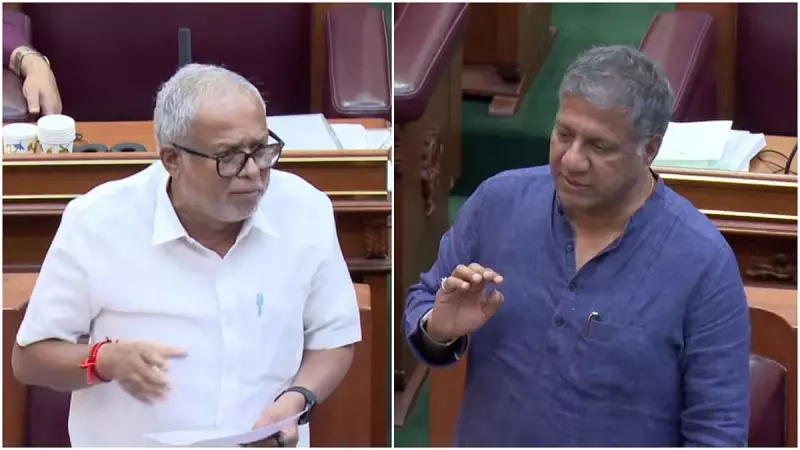
Lawmakers in Karnataka have voiced significant concerns over a procedural hurdle that impacts legislative scrutiny: the language in which government Bills are presented. The issue centers on the fact that Bills are initially drafted in English, with Kannada translations provided only later, creating a potential barrier for effective understanding and debate.
The Core of the Controversy
The concern was brought to the forefront by Senior BJP legislator and former Law & Parliamentary Affairs Minister, S Suresh Kumar. He pointed out the existing practice where all legislative Bills are first prepared in English. The translation into Kannada, the state's official language, follows this initial drafting process. This sequence, according to several Members of the Legislative Assembly (MLAs), makes it challenging for them to grasp the intricate legal details and implications fully when the documents are not in their primary working language from the outset.
Implications for Legislative Work
This language gap has raised questions about the efficiency and inclusivity of the law-making process in the state assembly. When Bills are complex, relying on a subsequent translation can lead to delays in comprehension and may affect the quality of discussions during sessions. The MLAs' frown upon this difficulty underscores a deeper issue about accessibility and the practical implementation of the state's language policy within its own democratic institutions. The matter was highlighted in reports dated 16 December 2025.
A Call for Procedural Review?
While no formal proposal for change was detailed in the initial report, the remarks by an experienced figure like Suresh Kumar signal a call for introspection. The debate touches upon balancing administrative convenience with the principle of ensuring that all elected representatives can participate in governance without linguistic obstacles. It remains to be seen whether this will lead to a review of the drafting protocol to make the legislative process more seamless for Kannada-speaking lawmakers.
The incident highlights an ongoing tension in Indian polity where English often remains the default language for official and legal drafting, even in states with strong regional linguistic identities. Ensuring that laws are made and understood clearly is fundamental to robust democracy.