Karnataka Implements 1% Welfare Fee on Food Delivery Aggregators for Gig Workers
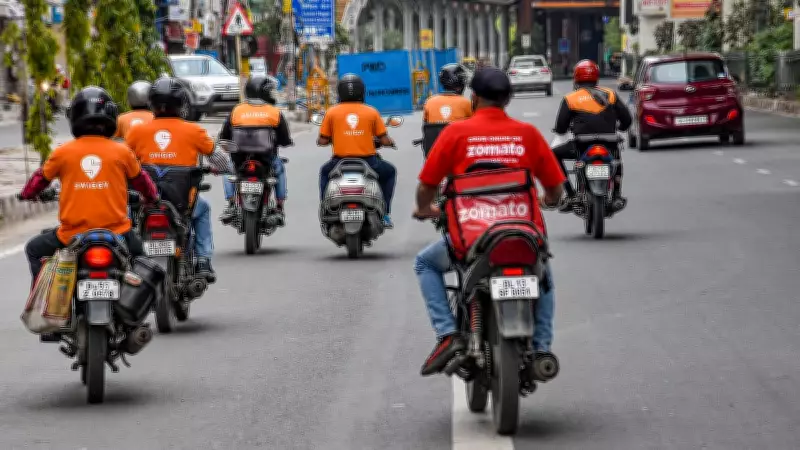
The Karnataka government has officially notified a new regulation requiring food delivery aggregators, including major players like Swiggy and Zomato, to pay a 1% welfare fee. This levy is specifically designed to fund social security and welfare schemes for gig workers operating within the state. The move aims to address long-standing concerns about the lack of benefits and protections for these workers, who form a crucial part of the digital economy.
Details of the New Regulation
Under the notified rule, aggregators in the food delivery sector must contribute 1% of their annual turnover or revenue generated from services in Karnataka. This fee will be directed towards creating a welfare fund dedicated to gig workers. The funds are intended to support various initiatives, such as health insurance, accident coverage, and other social security measures that are often unavailable to gig economy participants.
The decision comes as part of broader efforts by the state government to regulate the gig economy and ensure fair treatment for workers. Karnataka has been at the forefront of such initiatives, with previous discussions focusing on improving working conditions and providing legal safeguards for gig workers. This levy is seen as a proactive step to bridge the gap between traditional employment benefits and the flexible nature of gig work.

Impact on Aggregators and Gig Workers
For aggregators like Swiggy and Zomato, this new fee represents an additional operational cost that could influence their business models in Karnataka. Companies may need to adjust their financial strategies to accommodate this levy, potentially affecting pricing or service structures. However, the regulation is expected to foster a more sustainable ecosystem by promoting worker welfare, which could lead to improved retention and productivity in the long run.
Gig workers, on the other hand, stand to benefit significantly from this initiative. The welfare fund is anticipated to provide much-needed financial support during emergencies, such as medical issues or accidents, and enhance overall job security. This move is likely to set a precedent for other states in India, encouraging similar measures to protect gig workers across the country.
Broader Implications and Future Outlook
The notification of this 1% levy highlights Karnataka's commitment to evolving labor laws in response to the growing gig economy. It underscores the need for regulatory frameworks that balance innovation with social responsibility. As the gig sector continues to expand, such policies could become more widespread, shaping the future of work in India.
Stakeholders, including aggregators, workers, and policymakers, will closely monitor the implementation of this fee. Its success could inspire further reforms aimed at integrating gig workers into formal social security systems, ultimately contributing to a more equitable and resilient economy.