

The Karnataka Legislative Assembly has taken a decisive step in the long-standing debate on internal reservation within the Scheduled Castes (SC) category. On 18 December 2025, the house passed a significant Bill to ratify the state government's proposed 6-6-5 formula for distributing quotas among SC sub-groups.
Piloting the Bill and the Commission's Report
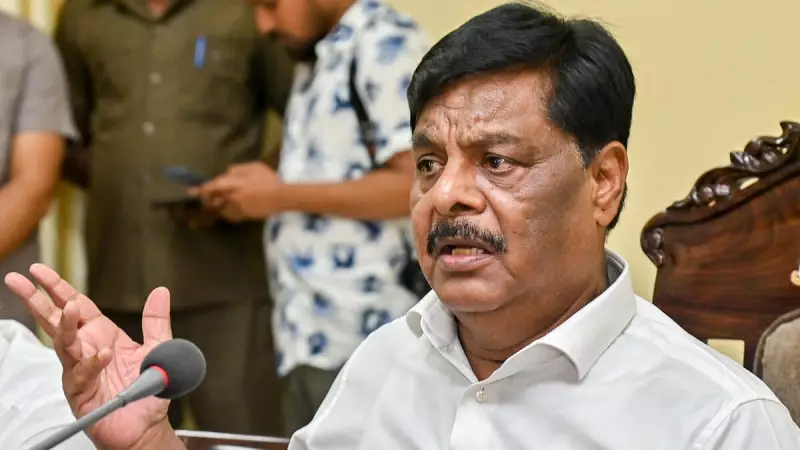
Piloting the crucial legislation, Social Welfare Minister Dr. HC Mahadevappa provided a detailed background on the complex issue of internal reservation. He explained how the state government arrived at its decision after examining the recommendations of the Justice Nagamohan Das Commission.
The Commission had originally proposed a different allocation model, often referred to as the 1-6-5-4-1 formula. However, after deliberations, the Karnataka government opted to modify these recommendations. The final proposal that was presented and passed by the Assembly is the 6-6-5 formula, marking a key shift from the commission's initial structure.

Understanding the 6-6-5 Formula
While the Bill's passage confirms the adoption of the numerical framework, the specific sub-caste groups that will benefit under each segment of the 6-6-5 internal reservation model are defined within the legislation. This formula dictates how the 17% total reservation for Scheduled Castes in Karnataka will be distributed internally among the various communities listed in the SC category.
The move is aimed at ensuring a more equitable distribution of reservation benefits, addressing historical disparities and demands for fair representation among the most marginalized sub-groups within the SC community in the state.
Implications and Next Steps
The ratification of the Bill by the Karnataka Assembly is a major political and social development. It brings legal backing to the government's policy on internal quota allocation, a subject that has seen significant discussion and demand from various community groups.
The implementation of the 6-6-5 formula will have direct consequences in areas of government jobs, educational admissions, and political representations for the SC communities in Karnataka. The government's decision to modify the Justice Nagamohan Das Commission's report underscores the complex balancing act involved in addressing sub-caste aspirations within the broader framework of social justice.






