Karnataka Political Landscape in Motion Amid Pre-Budget Preparations
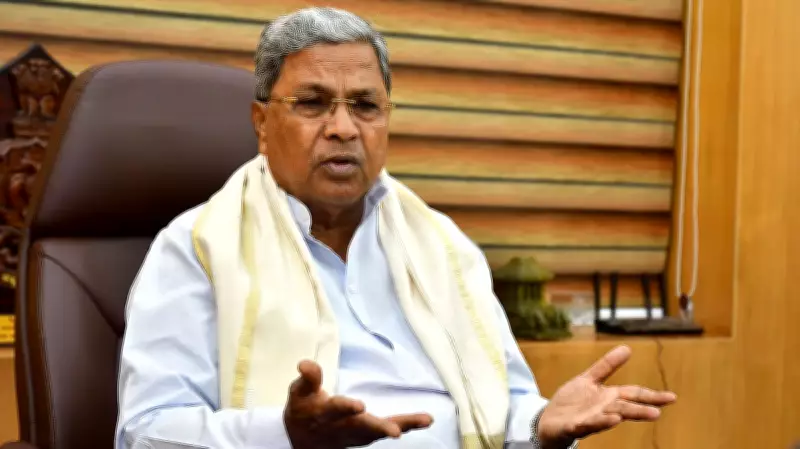
The political atmosphere in Karnataka is currently experiencing significant shifts as Chief Minister Siddaramaiah has officially commenced a series of crucial pre-budget meetings. These discussions are aimed at shaping the state's financial roadmap for the upcoming fiscal year, drawing intense scrutiny from various political quarters and the public alike.
Congress Leadership Steps In as Tensions Surface
All eyes are now firmly fixed on All India Congress Committee (AICC) president Mallikarjun Kharge, following recent developments initiated by senior Congress leader Rahul Gandhi. Gandhi has provided explicit assurances that both Chief Minister Siddaramaiah and Deputy Chief Minister D K Shivakumar will be formally summoned to Delhi for high-level talks. This move is widely interpreted as an effort to address and potentially resolve any underlying tensions or strategic disagreements within the state's ruling party apparatus.
The decision to call the top Karnataka leadership to the national capital underscores the Congress party's proactive approach to maintaining unity and coherence in its southern stronghold. Political analysts suggest that these talks could have far-reaching implications for governance, policy direction, and internal party dynamics in Karnataka.

Budgetary Process Unfolds Amid Political Scrutiny
Chief Minister Siddaramaiah's initiation of pre-budget consultations marks a critical phase in the state's administrative calendar. These meetings are designed to gather inputs, assess priorities, and formulate a comprehensive budget that addresses Karnataka's developmental needs, economic challenges, and social welfare objectives.
However, the budgetary process is now unfolding against a backdrop of heightened political activity and speculation. The involvement of national Congress leaders adds an additional layer of complexity to the proceedings, as budgetary decisions may be influenced by broader political considerations and party strategies.
Observers note that the timing of these developments is particularly significant, coming at a juncture when the state government is seeking to balance fiscal prudence with populist measures. The outcome of the Delhi talks and the subsequent budget presentation will likely shape public perception and political narratives in the months ahead.
Broader Implications for Karnataka's Governance
The current flux in Karnataka politics extends beyond immediate budgetary concerns. It reflects ongoing negotiations over power-sharing, administrative control, and strategic positioning within the Congress party's state unit. Deputy Chief Minister D K Shivakumar's role and stance in these developments are being closely monitored, given his influential position and political base.
The situation also highlights the delicate interplay between state autonomy and central party oversight in India's federal political structure. As the Congress leadership seeks to assert its authority and ensure alignment with national objectives, Karnataka's political actors must navigate these pressures while addressing local demands and governance imperatives.
In summary, Karnataka finds itself at a political crossroads, with pre-budget meetings serving as the immediate focal point amid broader discussions about leadership, unity, and direction. The coming days are expected to provide greater clarity on how these dynamics will unfold and what they portend for the state's political and economic future.