

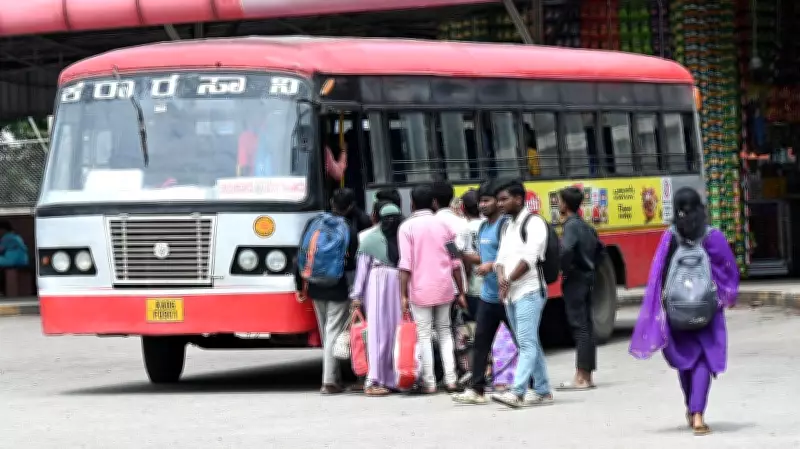
Karnataka's Rural Transport Paradox: Affordable Yet Inaccessible Services
In Karnataka's rural regions, a significant transportation paradox has emerged, where services remain affordable but largely inaccessible to the population. This complex issue stems from a combination of overstretched public transport systems and regulatory barriers that prevent private alternatives from filling the gaps.
The Strain on Public Transport Infrastructure
The Karnataka State Road Transport Corporation (KSRTC), the primary public transport provider, faces immense pressure in rural areas. With limited resources and infrastructure, the corporation struggles to meet the growing demand for reliable transportation. Buses are often overcrowded, schedules are inconsistent, and many remote villages receive minimal or no service at all.
This situation creates a vicious cycle where residents cannot access essential services like healthcare, education, and employment opportunities. The affordability of KSRTC fares becomes meaningless when the services are either unavailable or unreliable for daily commuting needs.

Regulatory Barriers Blocking Private Solutions
While public transport struggles, private transportation options face significant regulatory hurdles that prevent them from operating effectively in rural Karnataka. Existing regulations create barriers to entry for private bus operators, taxi services, and ride-sharing platforms that could potentially supplement the strained public system.
These regulatory constraints include restrictive licensing requirements, route limitations, and operational restrictions that make it economically unviable for private operators to serve rural areas. As a result, even when residents can afford private transport, the options simply don't exist in many parts of the state.
The Impact on Rural Communities
The transportation gap has profound consequences for rural development and quality of life. Students face difficulties attending schools and colleges, patients struggle to reach healthcare facilities, and workers encounter barriers to employment opportunities in nearby towns and cities.
This accessibility crisis undermines economic development in rural Karnataka and exacerbates existing inequalities between urban and rural populations. Despite government initiatives aimed at improving rural infrastructure, the transportation sector continues to lag behind in meeting basic mobility needs.
Potential Solutions and Policy Considerations
Addressing this paradox requires a multi-faceted approach that combines public sector improvements with regulatory reforms. Potential solutions include:
- Enhanced public transport investment: Increasing funding for KSRTC to expand fleet size and improve rural route coverage
- Regulatory reforms: Streamlining licensing processes and creating incentives for private operators to serve rural areas
- Integrated transport systems: Developing coordinated networks that combine different modes of transportation
- Community-based solutions: Supporting local transport initiatives tailored to specific rural needs
The situation in Karnataka highlights a broader challenge facing many Indian states: how to balance affordability with accessibility in rural transportation systems. Without comprehensive reforms, the gap between affordable services and actual accessibility will continue to hinder rural development and economic growth.






