

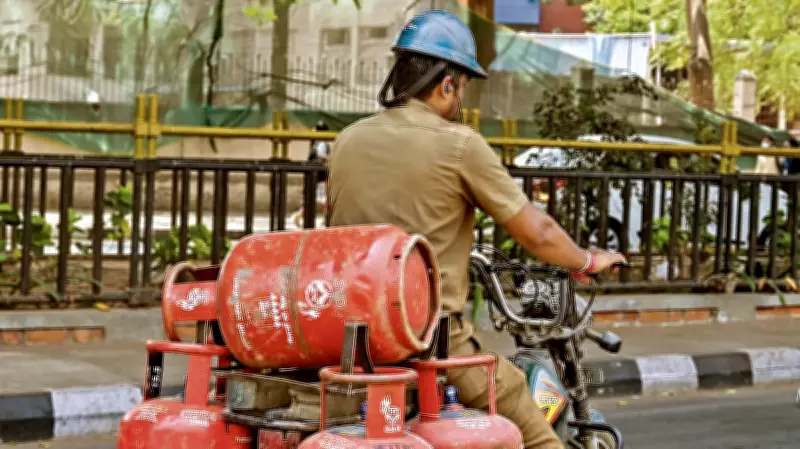
Karnataka Authorities Seize 316 Domestic LPG Cylinders Used for Commercial Purposes
In a significant enforcement action, authorities in Karnataka have seized a total of 316 domestic LPG cylinders that were being utilized for commercial purposes, violating regulations. This crackdown aims to curb the misuse of subsidized domestic cylinders in business operations, which can lead to supply shortages and market distortions.
Priority Distribution Plan for Seized Cylinders
The department responsible for the seizure has outlined a detailed distribution strategy for the confiscated cylinders. According to official statements, 20 per cent of the total commercial cylinders will be allocated on a priority basis to essential institutions and public spaces. This initiative is designed to ensure that critical services have adequate access to LPG supplies.
The priority list includes:

- Hospitals and healthcare facilities
- Schools and educational institutions
- Airports, railway stations, and bus stands
- Canteens and food service areas
- Important temples for the distribution of prasad
- Government offices and administrative buildings
- Old age homes and care centers
- Key private sector offices that serve public functions
This targeted distribution approach underscores the government's commitment to supporting vital community services while addressing regulatory breaches. By redirecting these cylinders to high-priority locations, authorities aim to enhance operational efficiency and public welfare.
Enforcement and Regulatory Context
The seizure operation highlights ongoing efforts to enforce LPG usage regulations in Karnataka. Domestic cylinders are typically subsidized for household consumption, and their diversion to commercial use can result in penalties and legal action. This move is part of broader initiatives to monitor and control LPG distribution, ensuring that resources are allocated appropriately and fairly.
Authorities have emphasized that such actions will continue to prevent misuse and maintain supply chain integrity. The department's announcement serves as a reminder to businesses and individuals to adhere to prescribed usage guidelines to avoid similar consequences.
This development is expected to have a positive impact on the availability of LPG for essential services, particularly in urban and rural areas where demand is high. Stakeholders are advised to stay informed about regulatory updates and compliance requirements.






