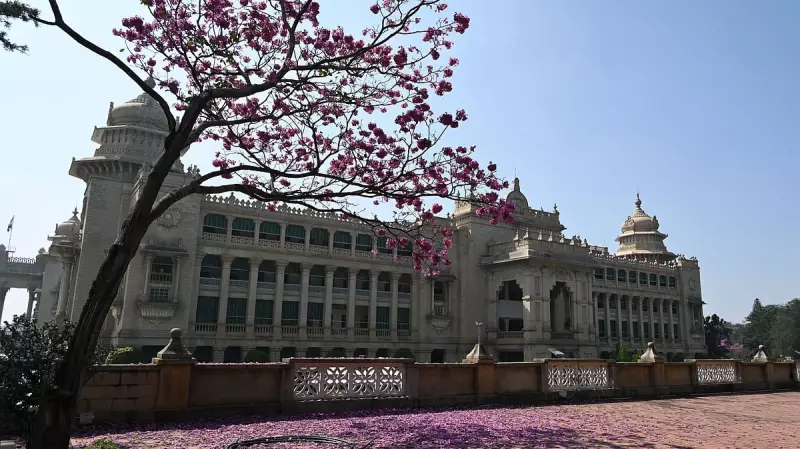
In a significant move aimed at enhancing legislative efficiency, Karnataka Legislative Assembly Speaker U T Khader is contemplating linking the grants available to Members of the Legislative Assembly (MLAs) with their performance and attendance records. This proposal seeks to address the persistent issue of absenteeism and encourage more active participation in the house's proceedings.
Speaker's Push for Greater Participation
Speaker U T Khader has consistently emphasized the need for improved attendance and engagement from the elected representatives. His latest consideration ties financial incentives directly to their legislative duties. During the recently concluded Winter Session of the assembly, Khader made a pointed appeal to all MLAs, with a special focus on younger legislators. He urged them to not only be present but to actively contribute to discussions and learn from the experience of veteran members.
Focus on Youth and Veteran Guidance
The Speaker's strategy involves a dual approach. While the potential performance-linked grant system acts as a structural incentive, he also champions a cultural shift within the assembly. Khader believes that newer and younger MLAs have much to gain by listening to seasoned legislators during debates and discussions. This, he argues, is crucial for their development and for maintaining the quality of legislative work. The proposal underscores a move from passive presence to active, quality participation.
Implications and Expected Outcomes
If implemented, this policy could reshape the operational dynamics of the Karnataka Assembly. Linking local area development (LAD) funds or other grants to metrics like attendance, participation in debates, and committee work would create a tangible accountability mechanism. The move is seen as an effort to ensure that public resources are directly correlated with an MLA's commitment to their core parliamentary functions. It sends a clear message that representation is a full-time responsibility requiring consistent engagement. The development, reported on 23 December 2025, has sparked discussions on merit-based governance and could set a precedent for other state legislatures in India.