

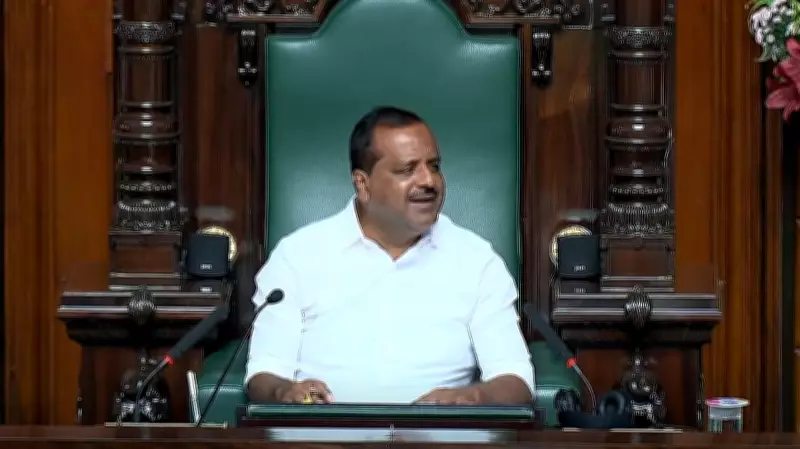
Karnataka Assembly Speaker Stages Walkout Amid Frustration Over House Conduct
In a dramatic turn of events, Karnataka Assembly Speaker U.T. Khader walked out of the legislative house in protest on Tuesday, expressing deep dissatisfaction with the conduct of proceedings. The incident has sparked significant attention in political circles, highlighting ongoing tensions within the state's legislative body.
Speaker's Frustration Erupts During Session
According to reports, Speaker Khader became visibly miffed during the assembly session, repeatedly questioning how the house should be run given the current state of affairs. His frustration reportedly stemmed from persistent disruptions and a lack of decorum among members, which he felt hindered the effective functioning of the legislature.
Key details from the session indicate that Khader made several attempts to restore order before deciding to walk out. He emphasized the need for respectful dialogue and adherence to parliamentary norms, but his appeals were largely ignored, leading to his dramatic exit from the chamber.

Political Reactions and Implications
The walkout has drawn mixed reactions from political parties in Karnataka. Some members have expressed support for the Speaker's stance, citing the importance of maintaining discipline in the assembly. Others, however, have criticized the move as an overreaction, arguing that it could set a precedent for future disruptions.
This incident underscores broader challenges in Karnataka's political landscape, where legislative sessions have often been marred by heated exchanges and procedural hurdles. It raises questions about the efficacy of current mechanisms for managing house conduct and ensuring productive debates.
Background on Speaker U.T. Khader
U.T. Khader, a senior Congress leader, has served as the Speaker of the Karnataka Legislative Assembly since 2023. Known for his efforts to streamline proceedings, this walkout marks a notable departure from his usual approach, signaling heightened tensions. His tenure has been characterized by attempts to foster bipartisanship, but recent events suggest mounting pressures.
Analysis suggests that this protest could impact upcoming legislative agendas, potentially delaying key discussions on state policies and budgets. Observers note that such incidents may erode public trust in the assembly's ability to govern effectively.
Looking Ahead: Potential Resolutions
In the aftermath of the walkout, there are calls for dialogue to address the underlying issues. Possible steps include:
- Reviewing and strengthening codes of conduct for assembly members.
- Implementing stricter penalties for disruptions during sessions.
- Encouraging cross-party consultations to improve house management.
As Karnataka grapples with this development, the focus remains on whether the assembly can regain its composure and resume normal proceedings without further incidents. The Speaker's return to the house and any subsequent actions will be closely watched by political analysts and citizens alike.






