Karnataka Braces for Unprecedented Dual Voter List Revision
A significant constitutional and political confrontation is unfolding in Karnataka as the state government and the Union government prepare to conduct parallel revisions of the voter list, creating an unprecedented situation where two authorities are simultaneously updating the same electoral rolls. The State Election Commission (SEC) is scheduled to issue its final revised electoral rolls by March 31, while the Chief Electoral Officer (CEO) of Karnataka, operating under the Election Commission of India (ECI), is gearing up to launch a Special Intensive Revision (SIR) in April.
State Government Questions Centre's Intent and Credibility
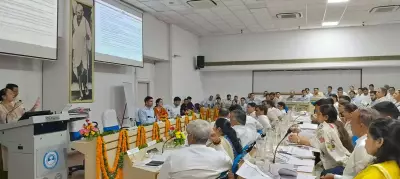
The Siddaramaiah cabinet has taken a firm stance against the SIR, with Law and Parliamentary Affairs Minister HK Patil leading a study into its legal and political implications. Patil is expected to present his findings by March 10, ahead of a cabinet deliberation scheduled for Thursday, February 26. "Our study will cover both constitutional provisions and political aspects linked to SIR," Patil stated. "We will examine the political intent of the BJP-led Centre and how they are conducting SIR. We will recommend remedial measures to ensure transparency of the process and to conserve its integrity."
Patil further emphasized that the state will investigate whether the SIR amounts to unnecessary duplication, given that the SEC would have already completed its revision by the end of March. This move follows a cabinet decision in September last year to amend rules, allowing the SEC to independently revise electoral rolls for the first time in Karnataka's history—a step widely perceived as a countermeasure to the Centre's SIR initiative.

Political Allegations and Legal Threats
Congress MLA Rizwan Arshad voiced strong criticism, asserting that the state government will oppose the SIR because "the Election Commission of India has lost credibility." He elaborated, "People have lost trust in ECI over the way additions and deletions were done in the guise of SIR in other states. The process is highly biased towards BJP." Arshad revealed that while the cabinet-appointed panel studies the issue, the state will appeal to the Centre to drop the SIR and explore legal avenues, including moving court, if their plea goes unanswered.
Meanwhile, a delegation of Congress legislators, led by Deputy Chief Minister DK Shivakumar, has raised concerns over discrepancies in the SEC-led revision, particularly in Greater Bengaluru. They urged State Election Commissioner GS Sangreshi to ensure voters are mapped street-wise and house-wise to avoid issues like splitting household members between different polling booths. "There are some instances where the members of the same households are divided into two booths. This is because of a decision to increase the number of voters per booth from 1,200 to 1,500. We have requested the SEC to take appropriate steps to address this," Rizwan explained.
CEO's Office Defends SIR as Routine Exercise
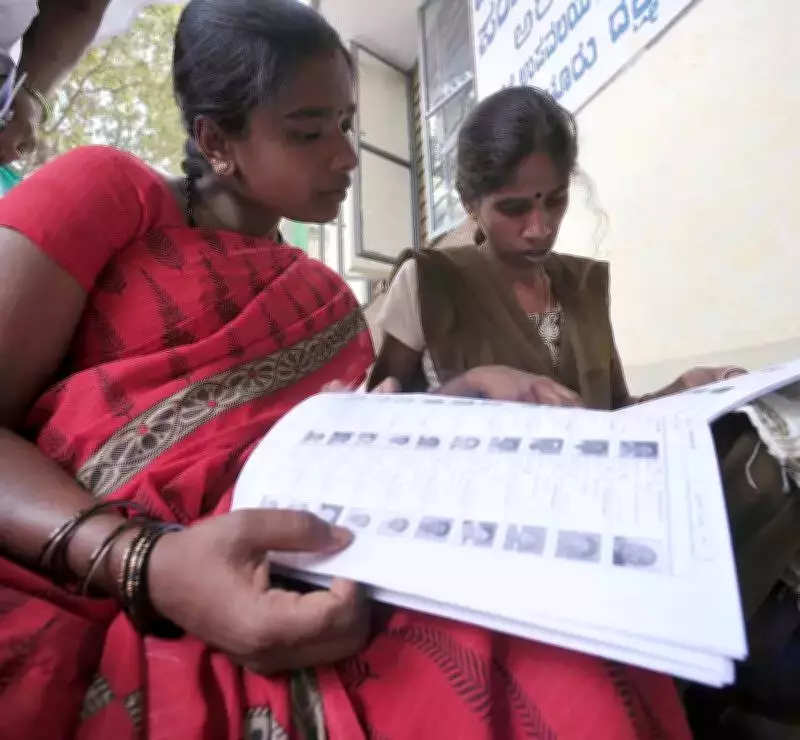
In contrast, the CEO's office is proceeding swiftly with preparations for the SIR, reporting that 69% of house mapping has already been completed. CEO V Anbukkumar dismissed the political rhetoric, stating, "We are not concerned with political rhetoric. The SIR we are conducting is a routine exercise." He clarified that this marks the ninth SIR exercise in Karnataka, with the last one conducted in 2002. Anbukkumar highlighted the distinction between the annual Special Summary Revision (SSR), which relies on voter requests, and the SIR, which involves a thorough scrutiny of every voter to ensure accuracy and completeness.
This dual revision scenario sets the stage for a potential legal and administrative clash, as both state and central authorities assert their roles in managing the electoral process. The outcome could have significant implications for voter integrity and political dynamics in Karnataka, with the state government poised to challenge what it views as an overreach by the Centre.