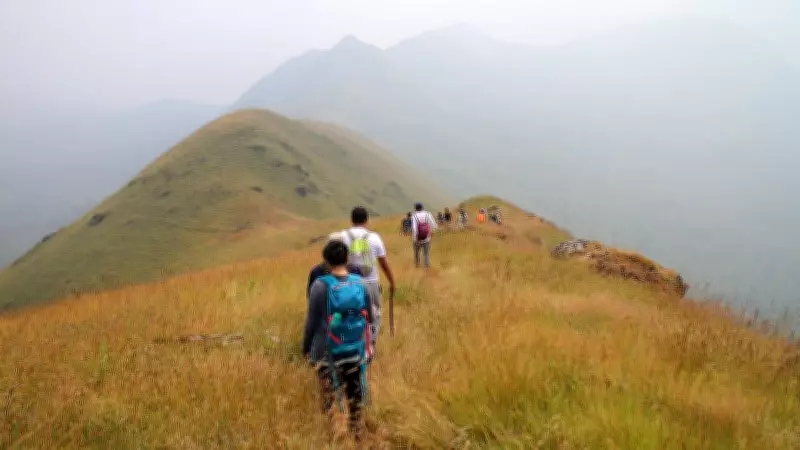
Karnataka Forest Department's Uphill Battle Against Unofficial Trekking Routes
The Karnataka Forest Department is engaged in what many describe as a wild goose chase as it attempts to bring order to the chaotic and largely unregulated world of trekking in the state's forest areas. While the department's official board has identified and recognized 38 trekking routes across Karnataka, the reality on the ground paints a dramatically different picture.
The Stark Reality: Over 175 Unofficial Trekking Spots
According to regular trekkers and experienced trekking camp organizers who operate throughout Karnataka, there are actually more than 175 trekking spots scattered across and around the state's forest regions. This staggering number represents a massive discrepancy between official records and actual usage patterns. The vast majority of these additional routes operate without any formal oversight or monitoring from forest authorities.
This proliferation of unofficial paths has created what some observers are calling a 'jungle raj' situation, where trekkers frequently venture into forest areas through unmonitored access points. The lack of regulation presents significant challenges for forest management, wildlife protection, and most importantly, trekker safety.

Management Challenges and Safety Concerns
The forest department's limited resources are stretched thin trying to monitor just the 38 officially recognized routes, making comprehensive oversight of the additional 137+ unofficial paths nearly impossible. This creates several critical issues:
- Safety risks for trekkers using unmonitored routes without proper guidance or emergency support
- Environmental damage from uncontrolled human traffic in sensitive forest ecosystems
- Wildlife disturbance as trekkers enter areas without proper protocols or restrictions
- Resource strain on forest department personnel and infrastructure
The situation is particularly concerning because many of these unofficial routes are completely unmanned, meaning there are no forest department personnel present to provide assistance, enforce regulations, or respond to emergencies. This leaves trekkers vulnerable and forests unprotected along these popular but unofficial paths.
The Path Forward: Regulation and Recognition
Forest officials now face the complex task of either bringing these numerous unofficial routes under proper regulation or finding ways to discourage their use. Possible solutions being considered include:
- Expanding official recognition to include more of the frequently used unofficial routes
- Implementing stricter enforcement and penalties for using unauthorized paths
- Developing better infrastructure and monitoring systems for popular trekking areas
- Increasing awareness campaigns about the dangers of unregulated trekking
The challenge represents a significant management dilemma for Karnataka's forest authorities as they balance promoting eco-tourism with protecting both natural resources and human safety. With trekking's popularity continuing to grow across the state, finding sustainable solutions to this regulatory gap has become increasingly urgent.