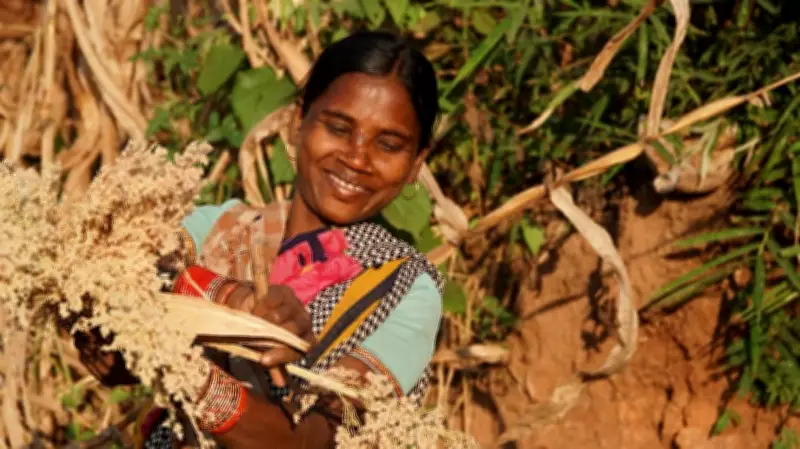
Karnataka's 'Beeja Parampara' initiative is making significant strides in agricultural biodiversity by identifying and incentivizing over 490 farmers who have been preserving thousands of indigenous landraces. These landraces range from salt-tolerant coastal paddy to drought-resistant dryland millets, showcasing a rich genetic heritage that is crucial for sustainable farming.
Preserving Agricultural Heritage
The initiative recognizes the invaluable contribution of these farmers, who have acted as custodians of traditional seed varieties for generations. By providing financial incentives and technical support, the state government aims to encourage the conservation and propagation of these native seeds. This not only helps in maintaining biodiversity but also enhances resilience against climate change and pests.
Diverse Landraces Under Conservation
Among the preserved seeds are varieties adapted to specific agro-climatic conditions. For instance, salt-tolerant paddy varieties thrive in coastal regions where soil salinity is high, while drought-resistant millets are essential for dryland farming in arid zones. These landraces possess unique traits that can be valuable for future breeding programs.

Impact on Farmers and Agriculture
The initiative has empowered farmers by giving them recognition and economic support. Many of these farmers have been practicing traditional farming methods for years, and the program validates their efforts. It also promotes the use of local seeds, reducing dependency on commercial hybrids and genetically modified varieties. This shift is expected to improve soil health, reduce input costs, and increase farm profitability in the long run.
Government Support and Future Plans
The Karnataka government has committed to expanding the 'Beeja Parampara' program by including more farmers and seed varieties. Plans are underway to create a seed bank and a database of indigenous landraces to facilitate easy access for researchers and farmers. Additionally, training programs are being organized to educate farmers on seed conservation techniques and the benefits of using traditional seeds.
This initiative is a step towards achieving food security and sustainable agriculture, aligning with global goals of preserving agricultural biodiversity. By supporting these seed saviours, Karnataka is not only protecting its agricultural heritage but also building a resilient food system for the future.