Karnataka Pioneers Alcohol Content-Based Taxation System
BENGALURU: In a landmark move for India's liquor industry, Karnataka is set to implement a revolutionary alcohol-in-beverage (AIB)-based excise duty system starting April, positioning itself as the first state in the nation to directly link liquor taxation to alcohol content. This progressive reform could lead to significant price reductions for beer and wine, beverages typically lower in alcohol by volume (ABV), while modernizing the state's excise framework.
Budget Announcement and Phased Implementation
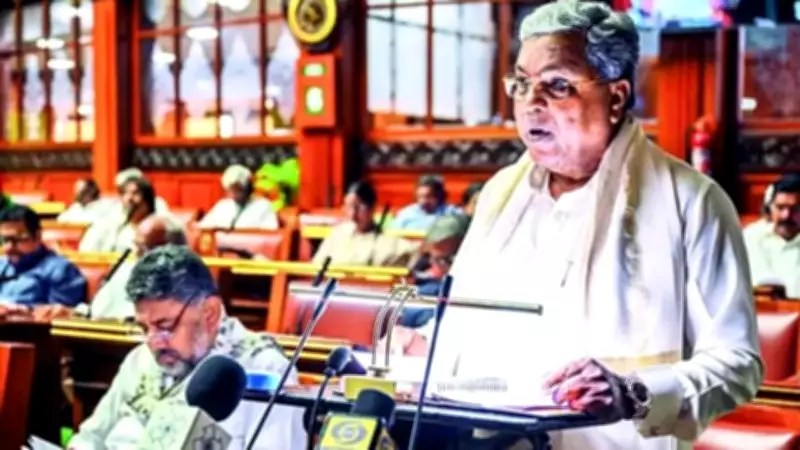
Presenting the government's budget for the 2026-27 fiscal year on Friday, Chief Minister Siddaramaiah outlined the new policy, which will fully deregulate government price fixation and streamline pricing slabs from the current structure to just eight categories. The existing uniform excise duty per liter of alcohol will be phased out gradually over three to four years, with incremental price adjustments designed to prevent market disruption and ensure a smooth transition for consumers and businesses alike.
Global Gold Standard and Revenue Targets
Chief Minister Siddaramaiah emphasized that the AIB-based excise duty structure is internationally recognized as the gold standard for alcohol taxation. "It directly targets the alcohol content, which is the primary source of negative externalities associated with consumption," he stated. The government has set an ambitious revenue target of Rs 45,000 crore from the excise sector for the upcoming financial year, reflecting confidence in the new system's potential to enhance fiscal efficiency and transparency.

Impact on Beverage Categories and Consumer Behavior
Under the AIB system, beverages with higher alcohol content will be taxed more heavily, which could incentivize consumers to opt for lower-alcohol alternatives. In India, beer typically ranges from 4% to 8% ABV, with stronger variants at around 8%, while whiskey generally contains between 36% and 50% ABV. This shift is expected to make beer and wine relatively more affordable compared to spirits, potentially altering consumption patterns and promoting healthier drinking habits.
Industry Response and Economic Implications
Industry leaders have warmly welcomed the policy change. Vinod Giri, Director-General of the Brewers Association of India, hailed it as a historic milestone. "AIB-based taxation is a beacon for excise policy reforms across India. The product to be taxed is alcohol, not water. This approach is widely followed globally and encouraged by organizations like the World Health Organization," he remarked.
Sanjit Padhi, CEO of the International Spirits and Wines Association of India, expressed optimism about the move to free up liquor pricing. "Reducing slabs to eight offers brands greater flexibility to set prices. While the final tax structure is still pending, we anticipate that a stable policy could boost investment and premiumization, encouraging consumers to shift from lower-end products toward higher-value options," he explained.
A spokesperson for United Breweries appreciated the government's intent to strengthen the regulatory and policy framework for the sector. Following the announcement, share prices of United Breweries experienced a notable surge, indicating positive market sentiment.
Additional Reforms and Tourism Promotion
Beyond taxation, the government plans to promote alcohol-linked tourism by permitting tasting sessions and on-site sales at distilleries. Distilleries and breweries will be allowed to operate 24 hours a day, and beer labels will no longer require mandatory disclosure of malt and sugar content, simplifying compliance for manufacturers.
Political Context and Controversy
The tax announcement comes amid a political controversy involving allegations of corruption amounting to Rs 5,000 crore in the issuance of liquor licenses. The opposition has demanded the resignation of Excise Minister RB Timmapur, who has firmly denied these allegations. This backdrop adds a layer of scrutiny to the excise reforms, highlighting the need for transparency and accountability in the sector.

Overall, Karnataka's pioneering AIB-based excise duty system represents a significant step toward modernizing alcohol taxation in India, with potential benefits for consumers, businesses, and public health, while aiming to achieve robust revenue growth in the years ahead.