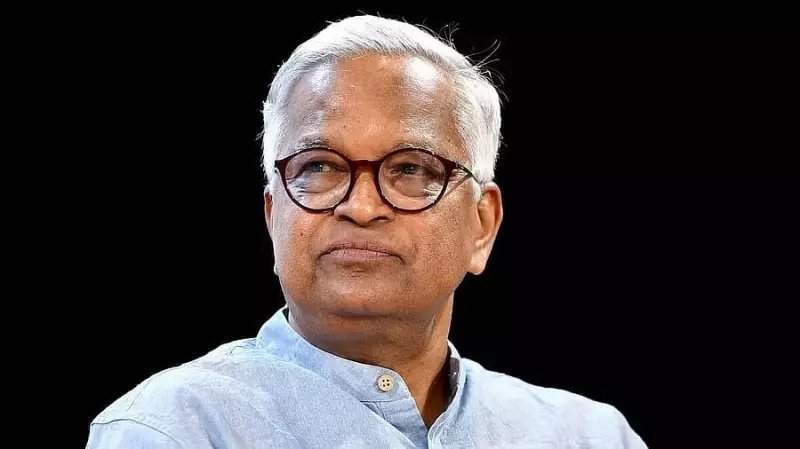
The Chairman of the Kannada Development Authority (KDA), Prof Purushotham Bilimale, has formally called upon Railway Minister V Somanna to initiate disciplinary measures against officials accused of disrespecting the Kannada language. The appeal highlights growing concerns over linguistic insensitivity within the national transporter's operations in Karnataka.
A Formal Appeal for Linguistic Respect
In a significant move, KDA chief Bilimale has pressed the Railway Ministry to identify and act against personnel whose actions are perceived as "anti-Kannada." This demand stems from alleged instances where the use of Kannada, the state's official language, was neglected or improperly handled in official communications and signage. The appeal was formally made on 19 December 2025, urging immediate corrective steps.
Proposing a Permanent Solution
Beyond seeking punitive action, Prof Bilimale emphasized the critical need for a systemic overhaul. He strongly advocated for the establishment of a "self-regulation mechanism" within the Indian Railways framework. This proposed internal system is designed to proactively prevent future linguistic "blunders" and ensure consistent compliance with the state's language policy. The mechanism would serve as a checkpoint to review all public-facing content for linguistic accuracy and cultural appropriateness before dissemination.
Context and Expected Outcomes
The intervention by the KDA chief is not an isolated event but part of a broader push for linguistic dignity in administrative and public spheres. By directly engaging with Minister V Somanna, who is also a senior political figure from Karnataka, the KDA aims to secure a high-level commitment. The expected outcomes are twofold: accountability for past oversights and the creation of a robust, institutional framework to safeguard Kannada's prominence in all railway affairs within the state. This move is seen as crucial for upholding the linguistic pride of Kannadigas and ensuring inclusive public services.