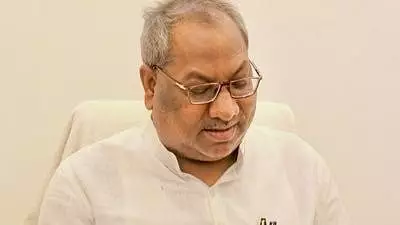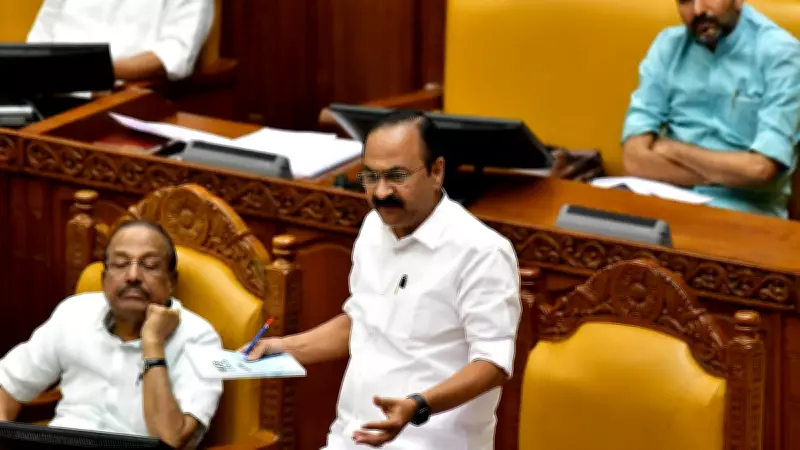
The newly sworn-in Congress-led United Democratic Front (UDF) government in Kerala has revealed that the state's debt has surged to Rs 5.07 lakh crore. This alarming figure was presented in a white paper titled 'Kerala’s Fiscal Health: A Status Report,' which was tabled by Chief Minister V D Satheesan in the state Assembly on June 4, 2026.
White Paper Recommendations
The comprehensive report outlines several measures to address the growing fiscal crisis. Among the key suggestions is raising the retirement age for state government employees, which could help reduce pension liabilities and retain experienced personnel. The white paper also calls for a revamp of the Kerala Infrastructure Investment Fund Board (KIIFB), a key agency responsible for financing major infrastructure projects in the state.
Fiscal Challenges
The white paper highlights that Kerala's debt has been steadily increasing over the years, driven by high expenditure on social welfare programs, salaries, and pensions, coupled with stagnant revenue growth. The state's debt-to-GDP ratio is now among the highest in the country, raising concerns about its long-term fiscal sustainability. The report notes that without corrective measures, the debt burden could worsen, affecting the state's ability to fund essential services and development projects.

Reforms Proposed
To improve revenue generation, the white paper recommends enhancing tax compliance and broadening the tax base. It also suggests rationalizing subsidies and reducing wasteful expenditure. The revamp of KIIFB is aimed at ensuring better financial discipline and transparency in infrastructure spending. Additionally, the report proposes measures to boost the state's economy, including promoting investments in tourism, technology, and manufacturing sectors.
Political Context
The release of the white paper comes shortly after the UDF government assumed office, having won the recent state elections. The previous Left Democratic Front (LDF) government had faced criticism for its handling of the state's finances. The new government has pledged to restore fiscal discipline while maintaining the state's commitment to social welfare.
Chief Minister V D Satheesan stated that the white paper is a honest assessment of the state's financial situation and that the government will take necessary steps to address the challenges. He emphasized that the recommendations are aimed at ensuring long-term fiscal stability without compromising on the welfare of the people.
Impact on Citizens
The proposed increase in retirement age may affect government employees, who have traditionally retired at 56 years. The move is expected to face resistance from employee unions. However, the government argues that it is essential to reduce the growing pension burden, which currently consumes a significant portion of the state's revenue.
The revamp of KIIFB could lead to changes in how infrastructure projects are funded and executed. The government hopes that these reforms will restore confidence among investors and lenders, enabling the state to access funds for critical projects at lower costs.
Way Forward
The white paper is expected to form the basis for the state's upcoming budget. The government has indicated that it will engage with stakeholders, including employee unions and political parties, to build consensus on the proposed reforms. The success of these measures will depend on their implementation and the state's ability to boost economic growth.