

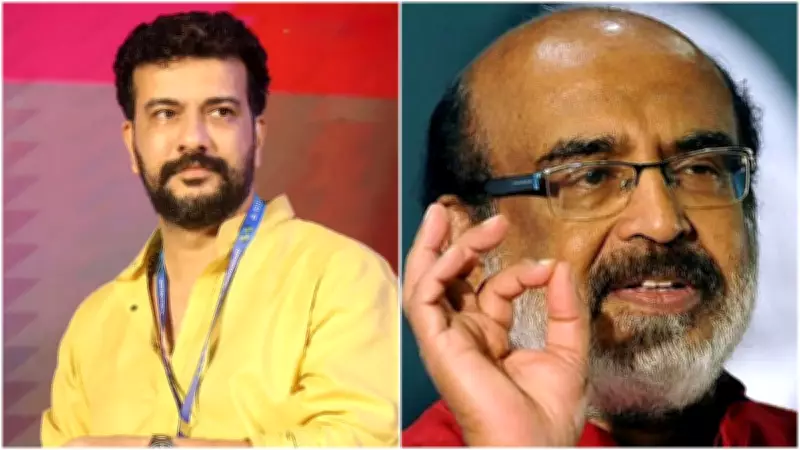
Kerala Assembly Elections 2026: Political Drama Unfolds Over 'Joker' Remark
In a significant development during the heated Kerala Assembly Elections 2026 campaign, CPI(M) leader T M Thomas Isaac has issued a formal apology to Congress candidate Ramesh Pisharody. The apology comes after Isaac referred to the actor-turned-politician as a 'joker' contesting from the Palakkad constituency. This incident has sparked widespread discussion and highlighted the intense political rivalry in the state.
Thomas Isaac's Apology and the Context
Thomas Isaac, a senior leader of the Communist Party of India (Marxist), made the controversial remark during a campaign event, labeling Ramesh Pisharody as a 'joker' in the electoral fray. The comment quickly went viral on social media and drew criticism from various quarters, including political opponents and the general public. In response to the backlash, Isaac publicly apologized to Pisharody, acknowledging that his words were inappropriate and disrespectful.
The apology was seen as a move to mitigate potential damage to the CPI(M)'s image in the closely watched Palakkad constituency. Isaac stated that he regretted his choice of words and emphasized the importance of maintaining decorum in political discourse. This incident underscores the high stakes involved in the Kerala elections, where every word and action is scrutinized by voters and media alike.

Ramesh Pisharody's Graceful Response
Ramesh Pisharody, a popular actor and Congress candidate, responded to the 'joker' remark with poise and dignity. He stated, 'I have culture, and I won't reply in the same tone.' This response has been widely praised for its maturity and focus on substantive issues rather than personal attacks. Pisharody emphasized that his campaign is centered on addressing the concerns of the people of Palakkad, including development, employment, and social welfare.
Pisharody's stance reflects a broader trend in Indian politics where candidates are increasingly expected to uphold ethical standards and engage in constructive dialogue. His refusal to stoop to the level of personal insults has resonated with many voters, potentially boosting his appeal in the upcoming elections. The Congress party has also backed Pisharody, highlighting his commitment to public service over sensationalism.
Implications for the Kerala Assembly Elections 2026
The exchange between Thomas Isaac and Ramesh Pisharody has significant implications for the Kerala Assembly Elections 2026. Key points include:
- Impact on Voter Perception: The incident may influence voter opinions in Palakkad and beyond, with some seeing Isaac's apology as a sign of accountability, while others view Pisharody's response as a mark of leadership.
- Focus on Campaign Ethics: This episode has brought attention to the need for respectful political campaigning, especially in a diverse and politically active state like Kerala.
- Role of Social Media: The rapid spread of the 'joker' remark on platforms like Twitter and Facebook demonstrates how digital media can amplify political controversies, forcing quick responses from leaders.
- Strategic Moves: Both the CPI(M) and Congress are likely to adjust their campaign strategies in light of this event, with a greater emphasis on policy debates over personal remarks.
As the election date approaches, such incidents are expected to shape the narrative and voter engagement. The Kerala Assembly Elections 2026 are crucial for determining the state's political future, and every development, including this apology and response, adds to the dynamic electoral landscape.
Broader Political Context in Kerala
Kerala has a history of vibrant and competitive politics, with the CPI(M)-led Left Democratic Front and the Congress-led United Democratic Front often locked in close contests. The 2026 elections are particularly significant as they come amid ongoing debates over governance, economic policies, and social issues. The Palakkad constituency, where this incident occurred, is a key battleground that could sway the overall results.

This episode serves as a reminder of the intense scrutiny faced by political candidates in Kerala, where every statement can have far-reaching consequences. It also highlights the evolving nature of political communication, where traditional campaign methods intersect with modern media dynamics. As the campaign progresses, voters will be watching closely to see how parties and candidates navigate these challenges while addressing the real issues affecting the state.





