

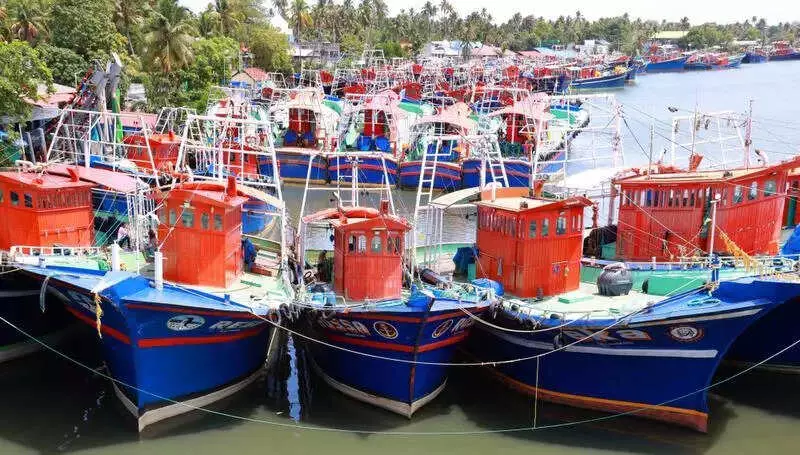
As Kerala approaches local body elections, a significant section of its population feels politically invisible. The state's coastal communities and fisherfolk are raising a collective voice, stating that their pressing issues are being completely sidelined in the political discourse. Despite facing statewide challenges from displacement projects to climate change impacts, they claim no elected representative is sensitive to their plight.
Displacement and Inadequate Rehabilitation: A Growing Crisis
The feeling of abandonment is rooted in several key infrastructure and rehabilitation projects. A primary concern is the Coastal Highway project, where there is significant disagreement over compensation for land acquisition. The coastal communities have been demanding compensation parity with the rates given for National Highways and Hill Highways, a request they say has fallen on deaf ears among policymakers and local representatives.
Another critical issue is the Punargeham rehabilitation project. This initiative aims to rehabilitate 16,855 families, offering each Rs 10 lakh to build a house. However, community leaders argue this sum is grossly insufficient to purchase both land and a house in the state's main areas. The result, they fear, is the forced migration of traditional fishing communities into the interiors of the mainland, away from their life and livelihood by the sea.

Policy Changes Favoring Business Over Communities
The amendments to the Coastal Regulation Zone (CRZ) Act further illustrate the community's grievances. While the Union ministry had previously permitted the fisher community to build houses, state governments of the time did not allow it. Now, under CRZ 2019, a significant change has occurred: 175 panchayats have been converted to CRZ II category. This reclassification opens these areas for construction, with real estate and tourism sectors poised to be the major beneficiaries. The government has not openly discussed this pivotal decision with the coastal communities it directly affects.
Similarly, the central government's Sagarmala project, which includes six new ports like Vizhijnam, has led to evictions with what is described as zero rehabilitation. Locals express a grave concern that after surrendering their land, livelihood, and homes for these projects, they will not even gain employment in the new facilities.
The Twin Threats of Climate Change and Shifting Access
Compounding these policy-driven challenges are the relentless impacts of climate change. The fishing community has observed a drastic dip in sardine catch since 2012. Although there was a slight revival in 2023, a worrying trend has emerged: the adult species have become smaller, measuring only 10-15cm. Consequently, the catch is now largely funneled into the fish meal industry, affecting the value and market for traditional fishermen.
Access to new livelihood opportunities is also shrinking. Initiatives like cage culture, first proposed specifically for fishing communities, are now open to anyone, creating competition and reducing exclusive benefits for those displaced from their traditional fishing grounds.
In conclusion, as real estate and tourism lobbies stand to gain from the vacated coastal lands, the original inhabitants feel they are being systematically pushed out due to a combination of climate change and poor planning. Their issues, they assert, are not just electoral fodder but existential threats that will inevitably impact the political landscape as displacement projects multiply along Kerala's coast.






