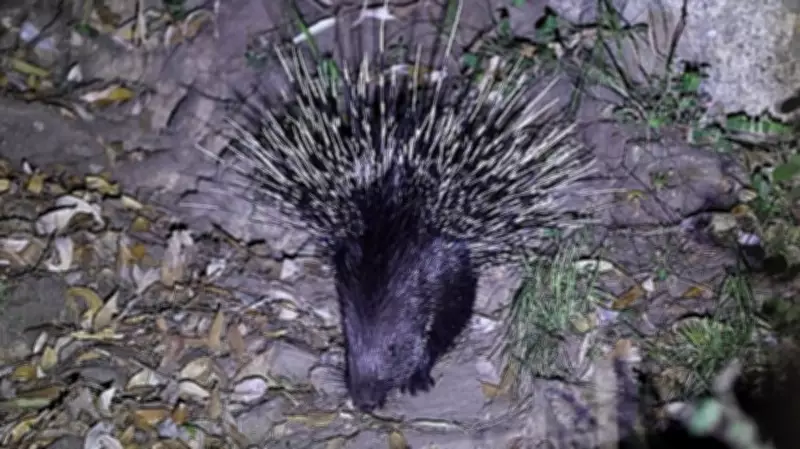
Kerala Village Panchayat President Faces Legal Action for Alleged Porcupine Killing
A village panchayat president in Kerala has been formally booked by authorities for allegedly beating a porcupine to death, an incident that has drawn significant attention and condemnation under wildlife protection laws. The case highlights ongoing concerns about human-wildlife conflict and the enforcement of conservation regulations in the region.
Details of the Incident and Legal Proceedings
According to reports, the panchayat president is accused of physically assaulting and killing the porcupine, a protected species under Indian wildlife legislation. The incident occurred in a rural area of Kerala, where such encounters between humans and wildlife are not uncommon but rarely escalate to fatal violence involving local officials.
Law enforcement agencies have registered a case against the president under relevant sections of the Wildlife Protection Act, 1972, which prohibits the hunting or harming of scheduled animals like porcupines. This legal step underscores the seriousness with which authorities are treating the matter, potentially leading to penalties including fines or imprisonment if guilt is established.
Public and Environmental Reaction
The news has sparked widespread outrage among environmentalists, animal rights activists, and the general public in Kerala and beyond. Many have expressed shock that an elected representative, tasked with upholding laws and community welfare, would be involved in such an act. Social media platforms and local discussions have been abuzz with calls for strict punishment to deter similar incidents and protect vulnerable wildlife.
Experts point out that porcupines, while sometimes considered pests due to crop damage, play a crucial role in ecosystems by aiding in seed dispersal and soil aeration. Their protection is vital for biodiversity, and incidents like this raise alarms about the need for better awareness and coexistence strategies in rural areas.
Broader Implications and Context
This case is part of a larger pattern of human-wildlife conflicts in India, where rapid urbanization and habitat loss often lead to confrontations. However, the involvement of a panchayat president adds a layer of concern regarding governance and ethical leadership. It prompts questions about the training and sensitization of local officials on environmental laws and animal welfare.
In response, wildlife authorities have emphasized the importance of reporting such incidents and adhering to legal protocols rather than taking matters into one's own hands. They urge communities to use non-lethal methods, such as fencing or relocation, to manage wildlife interactions, supported by government schemes aimed at conservation and conflict resolution.
The investigation is ongoing, with officials collecting evidence and statements to build a strong case. The outcome could set a precedent for how similar violations are handled in the future, reinforcing the message that no one is above the law when it comes to protecting India's rich natural heritage.