Kerala Assembly Elections: Left and Congress Prepare for Decisive Yatra Showdown
As Kerala gears up for the highly anticipated elections to its 140-member Legislative Assembly, the political landscape is witnessing intense preparations from both major fronts. The ruling Communist Party of India (Marxist)-led Left Democratic Front (LDF) and the opposition Congress-led United Democratic Front (UDF) are embarking upon comprehensive statewide political tours next week, setting the stage for a dramatic electoral confrontation.
Left Front's Strategic Positioning
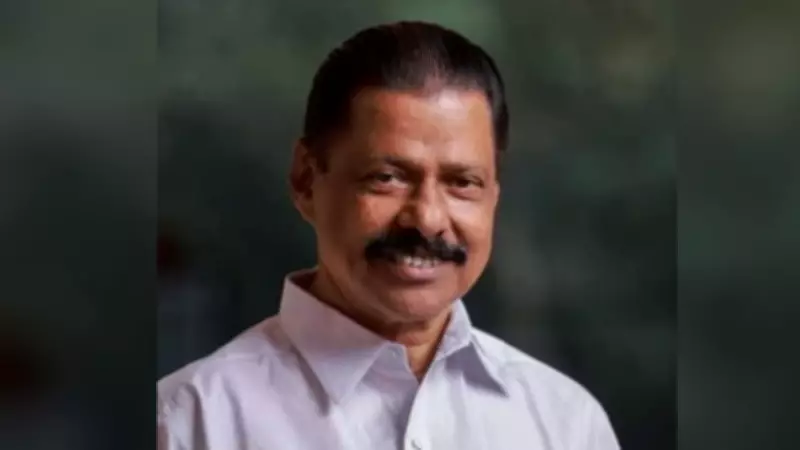
The CPI(M), aiming for an unprecedented third consecutive term in power, is leveraging its decade-long governance record as its primary campaign asset. CPI(M) state secretary M V Govindan will lead one of three regional jathas (marches) designed to showcase the incumbent government's achievements. The Left alliance plans to highlight significant infrastructure development projects and welfare measures implemented during their tenure.
Several key infrastructure initiatives, including national highway development and the GAIL gas pipeline project—both revived after the LDF assumed power in 2016—are approaching completion. Remarkably, despite two consecutive terms in office, the LDF has largely avoided major, prolonged scandals, contrasting sharply with previous administrations.

However, the ruling front faces challenges including recent controversies such as the Sabarimala temple gold theft allegations and money laundering investigations involving Chief Minister Pinarayi Vijayan's daughter. Perhaps more significantly, voter fatigue after ten years in power could subtly undermine support at grassroots levels.
Congress's Fight for Survival
For the Congress-led UDF, which has spent a decade in opposition, this election represents nothing less than a battle for political survival. Another defeat could potentially threaten the cohesion of the UDF coalition itself. While the party hopes to capitalize on anti-incumbency sentiment against the LDF, it faces competition from the Bharatiya Janata Party (BJP) for anti-government votes.
The Congress currently lacks a leader with Chief Minister Vijayan's commanding stature, despite having multiple chief ministerial aspirants within its ranks. Furthermore, the party has struggled to identify a pan-Kerala issue capable of mobilizing widespread public sentiment against the government as elections approach.
Complex Political Dynamics
On the political front, the CPI(M) confronts growing perceptions that it has softened its traditionally firm stance against the BJP—a position that previously helped secure secular and minority votes. The image of Vijayan as the most assertive leader challenging the BJP has gradually diminished over the past decade.
Interestingly, many CPI(M) leaders have recently adopted sharp anti-Muslim rhetoric, potentially alienating significant minority communities while attempting to regain Hindu voter support. This strategic shift represents a notable departure from the party's historical positioning.
Coalition Challenges and BJP Strategy
A significant political challenge for the UDF involves persistent perceptions that its constituent Indian Union Muslim League (IUML) would "set the agenda from the backseat" if the alliance returns to power. During the 2021 Assembly elections, concerns among Hindu-Christian communities about IUML's growing influence contributed to the UDF's defeat.
Recent controversial remarks by IUML leader K M Shaji, suggesting his party would secure power to ensure returns for the Muslim community, have provided ammunition for CPI(M) narratives against the UDF.
Meanwhile, the BJP, encouraged by its historic victory in the Thiruvananthapuram Municipal Corporation elections last December, has established ambitious goals encapsulated in its campaign slogan "Viksit Kerala, Surakshit Kerala, Vishwasa Samrakshanam" (developed Kerala, safe Kerala, protection of faith). The party has identified approximately a dozen constituencies for focused campaigning, particularly in Thiruvananthapuram and surrounding areas.

The BJP has been actively leading protests against the CPI(M) regarding the Sabarimala gold theft scandal. After photographs emerged allegedly showing perpetrators with Congress leaders including Sonia Gandhi, the BJP has expanded its criticism to include the Congress as well. However, it remains uncertain whether this issue will significantly influence voter sentiment during the Assembly elections.
The BJP also faces the challenge of ensuring that Hindu community discontent over the Sabarimala controversy does not shift toward the Congress instead of consolidating behind their own party.
As both major fronts prepare for their statewide yatras, Kerala's political landscape is poised for a fiercely contested election that will test the resilience of established political formations and potentially reshape the state's governance trajectory for years to come.