

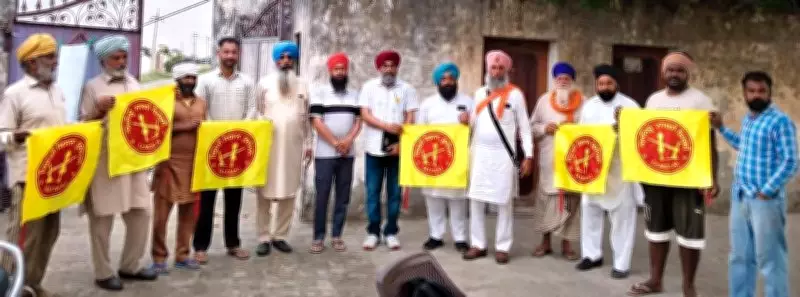
Kirti Kisan Union Holds Elections for Village Unit Office Bearers in Tarn Taran
The Kirti Kisan Union, a prominent farmers' organization in Punjab, has successfully conducted elections to appoint new office bearers for its village units in the Tarn Taran district. This move represents a crucial organizational development aimed at strengthening the union's grassroots structure and enhancing its operational efficiency across the region.
Election Process and New Leadership
The election process was carried out in a democratic manner, with members from various villages in Tarn Taran participating to select their representatives. The newly elected office bearers will now be responsible for overseeing the union's activities at the village level, including coordinating protests, addressing local agricultural issues, and mobilizing support for broader farmers' movements.
This initiative is part of the Kirti Kisan Union's ongoing efforts to consolidate its presence in Punjab, particularly in key agricultural districts like Tarn Taran. By empowering local leaders, the union aims to ensure that the concerns of farmers are effectively represented and that collective actions are more organized and impactful.

Significance for Farmers' Movements
The election of village unit office bearers is expected to bolster the union's capacity to advocate for farmers' rights and welfare. In recent years, farmers' unions in Punjab have played a pivotal role in national protests, such as those against contentious farm laws, and this organizational strengthening could enhance their future campaigns.
Moreover, this development underscores the importance of local leadership in sustaining farmers' movements, as village-level representatives often serve as the direct link between the union and the farming community, facilitating better communication and support.
Broader Implications for Punjab Agriculture
As Tarn Taran is a major agricultural hub in Punjab, the election of new office bearers by the Kirti Kisan Union could have wider implications for the state's farming sector. It may lead to more focused efforts on issues like crop prices, irrigation, and government policies, potentially influencing regional agricultural dynamics.
The union's move also highlights the active role of farmers' organizations in Punjab's socio-political landscape, reflecting their commitment to democratic processes and collective action in addressing agrarian challenges.






