

Kolhapur's Encroachment Crisis Reaches Breaking Point
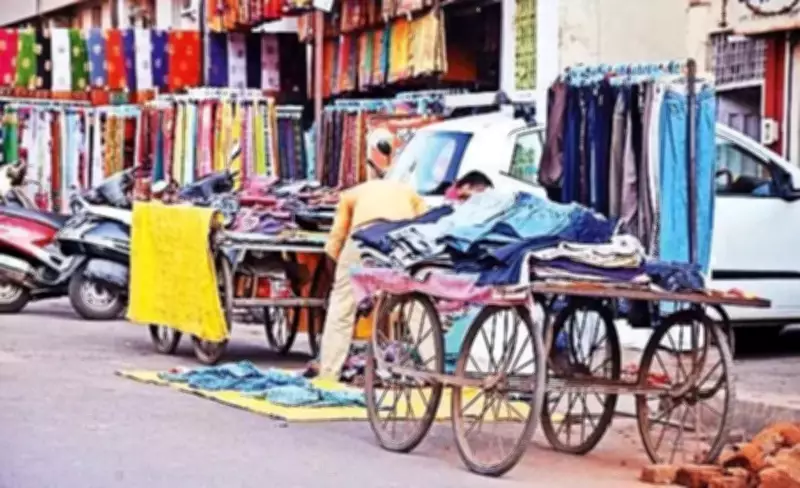
The city of Kolhapur is grappling with a severe encroachment crisis that has brought its road infrastructure to a standstill. Countless cabins and roadside stalls now illegally occupy footpaths and major thoroughfares, creating massive traffic congestion across urban areas. This persistent problem has escalated to critical levels, with daily commutes becoming increasingly chaotic and frustrating for residents.
Municipal Inaction and Systemic Corruption
Despite the worsening situation, the Kolhapur Municipal Corporation (KMC) has largely turned a blind eye to the encroachment issue, failing to launch any significant anti-encroachment drives. The lack of action appears deeply rooted in systemic corruption within the municipal administration. Just two days ago, the Anti-Corruption Bureau (ACB) caught the Head of the KMC anti-encroachment department red-handed while accepting a bribe of Rs2,000 from a roadside vendor in exchange for permission to erect a stall.
City traffic department officials, speaking on the condition of anonymity, revealed the staggering impact of these illegal structures. "If the KMC carries out a comprehensive, city-wide anti-encroachment drive, 80 percent of the city's traffic congestion would vanish immediately," an official noted, highlighting the direct correlation between unauthorized constructions and gridlocked streets.

Hawkers' Plight and Administrative Delays
The crisis is exacerbated by the complete absence of designated hawker zones throughout Kolhapur. Without fixed locations, vendors set up businesses wherever possible, including major junctions and pedestrian pathways. Sujata Patil, a roadside vendor, articulated the difficult position hawkers face: "The KMC should establish a dedicated zone where we can work without causing inconvenience. Currently, officials take bribes to allow us to stay. It has become an unspoken rule—if you want to do business on the streets, you have to empty your pockets."
The root of this policy failure lies in significant administrative delay. Although a Hawker Committee was democratically elected two years ago to address these very issues, its official gazette has yet to be published, leaving the body completely toothless and unable to implement any meaningful changes.
Political Perspectives and Demands for Action
Former mayor R. K. Powar, who also heads the All-Party Action Committee for Hawkers, asserted that this delay is intentional rather than accidental. "It has been two years since the committee members were elected, but because the gazette hasn't been published, the committee exists only on paper," Powar explained. "This prevents us from legally determining hawker zones—a situation that elements within the municipal administration are systematically exploiting for personal gain."
Sameer Nadaf, a member of the Hawker Action Committee, added that the KMC claims to be following up with the state government regarding the gazette publication. "We are told reminders have been sent, but the issues remain in a state of 'as is' condition," Nadaf stated. "We will now demand that the Municipal Commissioner ensure no hawker is evicted or harassed until the gazette is officially issued and zones are finalised."
The situation in Kolhapur represents a classic case of administrative failure compounded by corruption. With traffic congestion worsening daily and hawkers caught between survival and legality, residents await decisive action from municipal authorities to reclaim their city's roads and establish sustainable solutions for all stakeholders involved.






