

Kolkata Auto Drivers Implement Strict Queue Management Amid Deepening LPG Crisis
In Kolkata, where auto-rickshaws are essential for last-mile connectivity, a severe LPG shortage has led to an extraordinary display of self-imposed discipline among drivers. Faced with increasingly scarce fuel, auto operators across the city have introduced a strict cap of 250 vehicles per queue at functional auto gas stations. This measure ensures that crucial transport routes continue to operate despite mounting pressure on the city's fuel supply infrastructure.
Operational Stations Drop Drastically, Creating Massive Queues
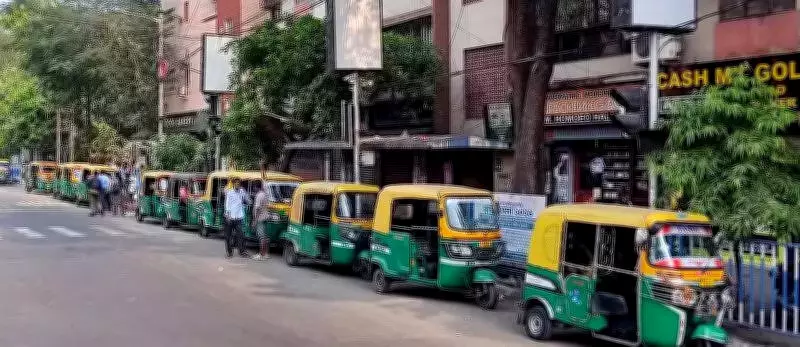
As of late March, Kolkata's iconic green-and-yellow autos are no longer freely roaming the streets in search of passengers. Instead, they are clustered around the few fuel stations where LPG supply is confirmed. Of the city's 19 auto gas dispensing units, only about five remain operational for autos at any given time. This severe reduction has resulted in serpentine queues stretching up to 2–3 kilometers in critical areas including Salt Lake, Chetla, and Behala.
Military Precision in Queue Management
What stands out most remarkably is the order maintained within this apparent chaos. At each pump, queues are managed with near-military precision by the drivers themselves, often under the supervision of local route committees. The 250-auto cap is not arbitrary—it reflects the approximate number of vehicles that can be serviced in one cycle before the station's supply runs completely dry.

"We are keeping careful tabs on each route," explained Sanjit Mondal, an operator on the Dakghar–Chowrasta route. "Initially, we tried a first-come-first-served system, but that quickly became unmanageable. Now, we strictly regulate the numbers and even split the queues into organized batches to maintain efficiency."
Real-Time Coordination Through Mobile Networks
Coordination happens in real time through mobile networks and designated stand leaders who track fuel availability across stations. Drivers warn each other when a particular pump runs out, helping to avoid unnecessary congestion and wasted trips across the city. This sophisticated communication system has become essential for managing the crisis effectively.
Local Dynamics and Priority Systems
Local dynamics also play a significant role in the distribution system. At many stations, one of the two dispensers is reserved exclusively for autos operating in that specific area, while "outsider" vehicles must queue up at the other dispenser. "In Chetla, local autos receive preference at one dispenser," said Sabur Miyan of the Taratala–Jadavpur route. "Others have to wait significantly longer, but this system ensures that local routes remain functional."
Altered Daily Routines and Personal Sacrifices
The fuel crisis has dramatically altered daily routines for Kolkata's auto drivers. Some arrive as early as 1 AM to secure a spot in line, while others rotate shifts with colleagues. Many bring food and water for fellow drivers who may spend five to six hours waiting in queues. Until recently, rationing had capped fuel at just 10 liters per vehicle—barely enough for a few hours of operation—though full-tank refilling has resumed in limited capacity at some stations.
Economic Strain Despite Fare Increases
Despite a recent fare hike, operators report that earnings remain under severe strain. A significant portion of their working day is lost to queuing up, dramatically reducing their time available for passenger service on the road. Yet, the self-imposed discipline has helped prevent conflicts that typically erupt during such shortages. By enforcing order collectively, drivers have managed to distribute scarce fuel resources without the violent flare-ups seen in previous crises.
Intensified Pressure on Official Supply Lines
With alternative fuel sources like pilfered domestic LPG now largely unavailable or unaffordable, pressure on official supply lines has intensified significantly. For now, Kolkata's vital auto network continues to function—not because the crisis has eased, but because drivers have learned to manage it collectively through remarkable organization and cooperation.

The collective discipline displayed by Kolkata's auto drivers represents a unique response to urban resource scarcity, demonstrating how community organization can maintain essential services even during severe infrastructure challenges.





