Kolkata Booth Level Officer Succumbs to Heart Attack Amid Intense Electoral Pressure
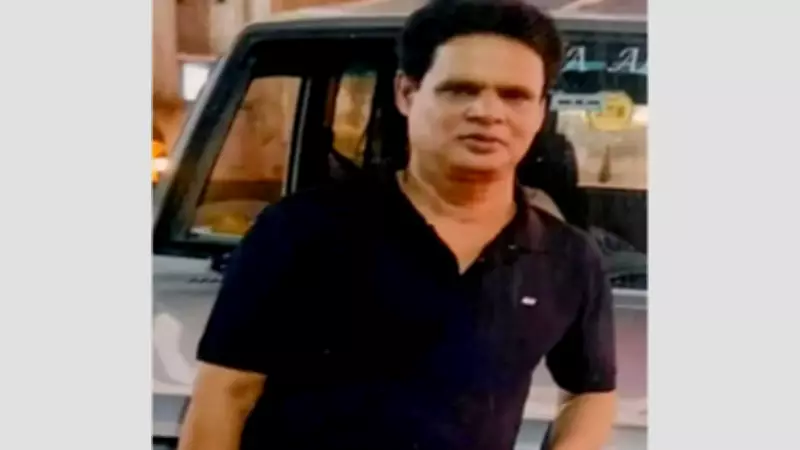
In a tragic incident, Mohammad Tahir, a 50-year-old booth level officer (BLO) from Kolkata, died of a heart attack on Sunday. His family has alleged that overwhelming work stress, coupled with the discovery of his own name on an "under adjudication" list and persistent harassment from voters, led to the fatal cardiac event.
Details of the Incident and Alleged Causes
Tahir, a resident of the Anwar Bagan area under ward number 7 of Kamarhati Municipality, served as the BLO for booth 69 and had supervisory responsibilities for booths 57 to 64. According to family members and neighbors, he frequently expressed concerns about the intense workload during the electoral roll revision process.
When the final electoral roll under the Summary Revision (SIR) was published on Saturday, Tahir's name reportedly appeared as "under adjudication." This development, combined with numerous voters contacting him for clarifications after their names were marked as "deleted" or "under adjudication," placed him under severe mental duress.
Family and Community Reactions
Family sources recounted that around 3:30 pm on Sunday, Tahir was sitting outside his house when he suddenly complained of discomfort and collapsed. He suffered a heart attack and died on the spot. He was rushed to a private hospital in Belgharia, where he was declared brought dead.
His neighbor, Nizamuddin, highlighted the immense pressure Tahir faced, stating, "Tahir was handling his duties as a BLO and also supervising multiple booths. Between the pressure from the Election Commission and voters, how much can one person endure?" This sentiment echoes the family's allegations that the cumulative stress from official duties and voter interactions contributed significantly to his untimely demise.
Broader Implications and Context
This incident sheds light on the often-overlooked pressures faced by electoral officials during revision periods. The role of a BLO involves meticulous verification and public interaction, which can become overwhelming when coupled with personal uncertainties, such as finding one's own name under scrutiny. The case raises questions about support systems and workload management for electoral staff to prevent such tragedies in the future.
As investigations and discussions continue, the community mourns the loss of a dedicated public servant, emphasizing the need for better safeguards in electoral processes to protect those on the front lines.