

Kolkata Temples Grapple with LPG Shortage, Forced to Curtail Free Meal Services
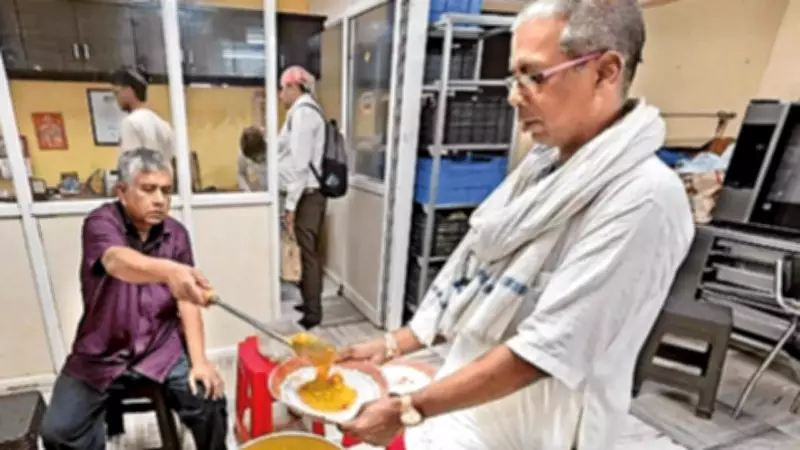
Religious institutions across Kolkata and its surrounding districts are confronting a severe operational challenge as the ongoing LPG cylinder crisis intensifies, directly impacting their ability to provide traditional 'bhog prasad' or free meal services to the public. The scarcity of cooking gas has compelled temple authorities to either drastically reduce their cooking activities or urgently seek alternative methods to sustain these essential community offerings.
Iskcon Kolkata's Conservation Efforts and Deep Concerns
The strain is particularly evident at Iskcon Kolkata, where a free dinner is served every evening to all visitors without discrimination. Radharamn Das, the vice-president of Iskcon Kolkata, expressed profound worry, highlighting that this service is deeply rooted in the instruction of founder Bhaktivedanta Swami Prabhupada, who mandated that no one within a 10-kilometer radius of the temple should go hungry.
"We are deeply concerned about how to sustain the bhog distribution if the LPG crisis persists. Our city kitchens are not equipped for wood-fire cooking on such a large scale," Das stated. In response, Iskcon has implemented significant conservation measures, now preparing simple khichdi for resident brahmacharis and sannyasis instead of full-fledged menus, which has reduced gas consumption by an estimated 60 to 70 percent.

Dakshineswar Institutions Adapt with Diesel and Worry Over Stocks
At the Dakshineswar Ramakrishna Sangha Adyapeath Ashram, the situation is critical as prasad is prepared for over 10,000 people daily, with meals served twice. This includes provisions for 500 nar-narayans and more than 2,500 residents. Brahmachari Mural Bhai, secretary of the trustee board, confirmed that the service continues but only through the use of diesel stoves as a temporary alternative.
Meanwhile, the Dakshineswar Bhavatarini Kali Temple has managed to maintain its daily bhog prasad distribution without interruption so far. However, authorities there are growing increasingly anxious about their dwindling fuel stocks and the uncertainty of future supplies.
Widespread Impact Across Districts: Cutbacks and Closures
The crisis extends beyond Kolkata, with temples in various districts already implementing cutbacks or announcing suspensions. At Jagannath Dham in Digha, the shortage has forced a significant reduction in services. Previously serving breakfast, lunch, and dinner prasadam to approximately 3,000 people daily, the temple has now restricted dinner service to only 750 individuals.
In Naihati, the Boroma Temple has declared that its free bhog service will be halted starting Monday due to the unavailability of LPG cylinders. Conversely, Mayapur remains relatively unaffected as it traditionally relies on wood-fire cooking, showcasing a rare resilience in the face of this widespread fuel scarcity.
Broader Implications for Community Welfare and Religious Practices
This LPG crisis is not merely a logistical issue but strikes at the heart of community welfare and religious traditions in West Bengal. Temples have long served as vital hubs for feeding the needy, and the disruption of these services could lead to increased food insecurity among vulnerable populations. The situation underscores the urgent need for sustainable solutions, whether through government intervention, alternative fuel sources, or community support initiatives, to ensure that these charitable endeavors can continue uninterrupted.






