Koraput Administration Ramps Up Border Village Focus Amid Ongoing Andhra Pradesh Dispute
In response to repeated administrative intrusions by neighboring Andhra Pradesh into the contested Kotia panchayat region, the Koraput district administration in Odisha has initiated a comprehensive strategy to reinforce governance and enhance service delivery across its border villages. This decisive move comes as both states remain embroiled in a protracted legal confrontation spanning more than sixty years concerning ownership rights over twenty-one of the twenty-eight villages within the Kotia gram panchayat jurisdiction.
Administrative Directives for Ground-Level Engagement
Koraput Collector Manoj Satyawan Mahajan has issued explicit instructions to senior administrative officers, mandating personal visits to remote and border-located villages. The primary objective of these engagements is to verify that residents are genuinely accessing government welfare benefits and to facilitate immediate resolution of their concerns. District-level officials have been specifically directed to conduct village visits, engage directly with community members, and address local issues on-site without unnecessary delays.
Raipahad Village Visit Highlights Border Tensions
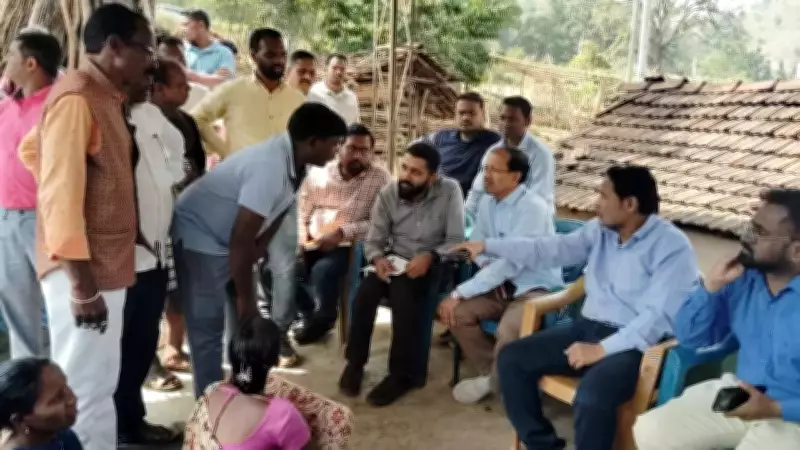
As part of this intensified administrative outreach, senior officials conducted a significant visit on Wednesday to Raipahad village within Nandapur block, a settlement sharing its boundary with Andhra Pradesh. Located approximately eighty kilometers from Koraput town, Raipahad maintains a modest population of eighty-two individuals, comprising forty men and forty-two women. This village gained particular attention in July 2023 when Andhra Pradesh officials reportedly entered Raipahad territory to conduct a plantation drive, prompting strong objections from Koraput authorities.

During the recent administrative visit, the officer team thoroughly assessed whether villagers were receiving essential amenities including electricity supply, safe drinking water, pension distributions, and ration card provisions. The visiting delegation included prominent officials such as Zilla Parishad Chief Development and Executive Officer Benudhar Sabar, Sub-Collector Premalal Hial, Tehsildar Debabrata Maharana, Block Development Officer Durga Prasad Dora, along with various field-level officers.
Livelihood Enhancement and Infrastructure Development Plans
In response to local demands for sustainable income generation, Collector Mahajan announced the administration's decision to promote coffee plantation initiatives within Raipahad village. The comprehensive plan involves distributing coffee saplings and providing formal land pattas (titles) to beneficiaries, thereby establishing reliable livelihood opportunities for border residents.
Additionally, officials confirmed that land identification processes have commenced for cluster housing construction projects. Administrative arrangements are being finalized to facilitate Aadhaar card issuance for residents currently lacking this essential identification document. Connectivity improvements are also underway, with road construction planned from Dumuriguda RD road to Raipahad village under the Pradhan Mantri Gram Sadak Yojana framework.
Collector Mahajan emphasized the administration's commitment to ensuring comprehensive coverage of state benefits, stating that all necessary arrangements are being implemented to guarantee that no resident remains excluded from government welfare provisions. This multi-faceted approach represents a strategic effort to strengthen Odisha's administrative presence in the disputed border region while addressing practical development needs of local communities.