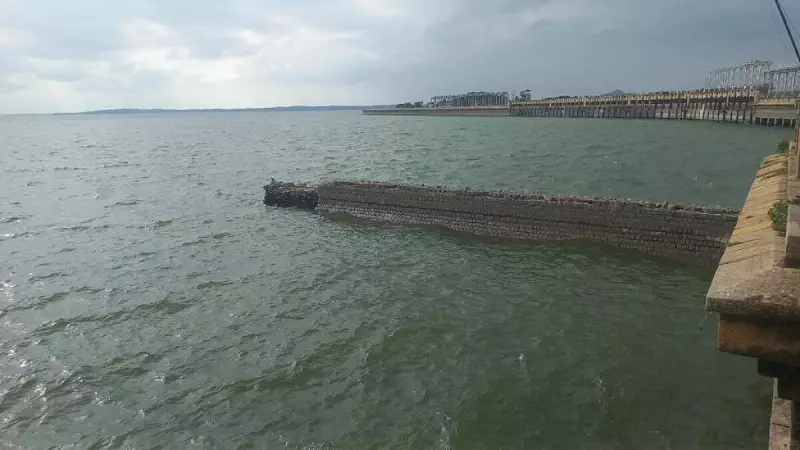
Reservoirs in the Cauvery basin of Karnataka, particularly the iconic Krishna Raja Sagara (KRS) dam, are holding robust water reserves following substantial rainfall during the recently concluded Southwest Monsoon season. This abundance ensures a secure supply for both drinking water and agricultural irrigation in the dependent regions for the foreseeable future.
Monsoon Bounty Replenishes Vital Reservoir
The Southwest Monsoon, which officially withdrew from the state on October 29, delivered copious rainfall to the catchment areas of the KRS dam near Mysuru. As a direct result, the water level in the reservoir has reached a comfortable 124.10 feet against its maximum capacity of 124.80 feet. In terms of storage, the dam currently holds 39.92 tmcft (thousand million cubic feet) of water. Officials from the irrigation department have confirmed that this volume is more than adequate to meet the essential requirements of the command areas.
This positive situation is attributed to consistent and heavy downpours in the dam's upstream catchment zones during the monsoon period. The timely rains have effectively replenished the reservoir, which is a critical lifeline for the districts of Mandya and Mysuru, and also supplies water to parts of Bengaluru.
Sufficient Reserves for Drinking and Farming Needs
Authorities have expressed confidence in the current water position. The substantial storage in the KRS dam is deemed sufficient to cater to the drinking water needs of the connected towns and cities for the upcoming months. Simultaneously, it provides a strong buffer for irrigation purposes in the agricultural belt of the Cauvery basin, which is crucial for crops like sugarcane and paddy.
The reassuring levels come as a relief after concerns in previous years about water scarcity. The dam's performance is closely monitored as it is the principal reservoir in the Cauvery basin system within Karnataka. The present reserves are expected to support the region's needs without immediate stress, barring any unforeseen extreme dry spell.
Broader Basin Storage and Future Outlook
While the KRS dam is the focal point, other major reservoirs in the interconnected Cauvery basin network also report healthy storage. The Hemavathi dam in Gorur has a water level of 2,892.20 feet against its full level of 2,922 feet. Similarly, the Harangi dam in Kushalnagar stands at 2,854.90 feet against its maximum of 2,859 feet.
The collective water position across these dams paints a stable picture for the region's water security. The irrigation department continues to manage the releases and distribution based on the established protocols and demands. The focus now shifts to prudent water management throughout the post-monsoon and summer seasons to ensure the reserves last effectively.
Farmers in the command area can plan their agricultural activities with greater certainty, and urban local bodies can manage their water supply schedules without imminent crisis. The successful monsoon recharge has thus provided a vital cushion for the socio-economic stability of the region.