HD Kumaraswamy Stands with Gejjalagere Villagers in 69-Day Protest Against Municipality Merger
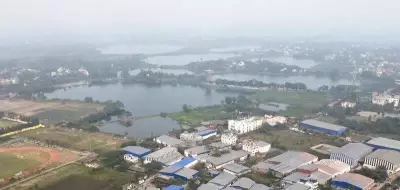
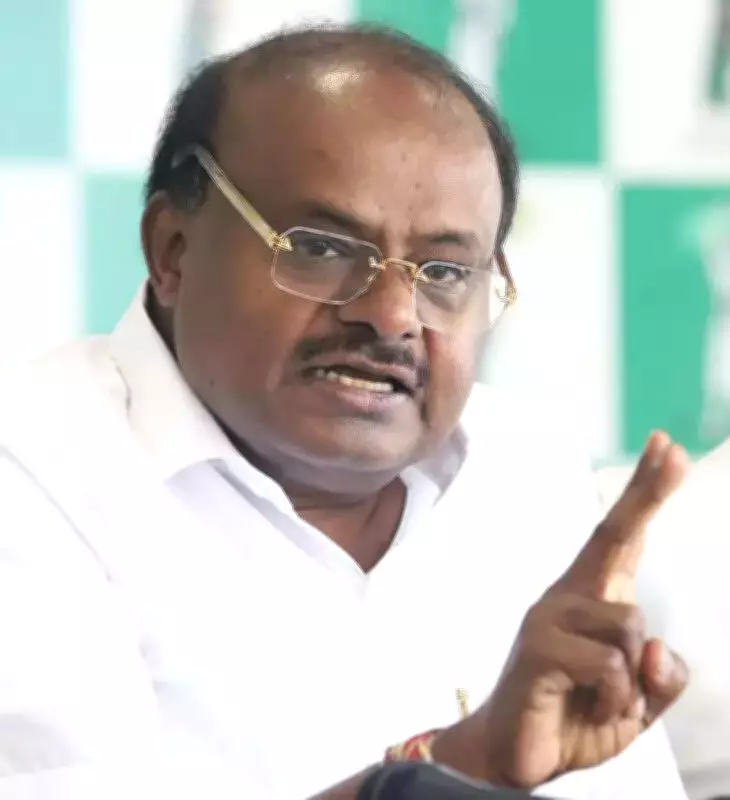
Union Minister HD Kumaraswamy made a significant visit to Gejjalagere village in Maddur taluk of Mandya district on Saturday, extending his firm support to residents who are vehemently opposing the proposed upgrade of the Gejjalagere Gram Panchayat into the Maddur City Municipality. This protest has now entered its 69th consecutive day, reflecting deep-seated local resistance to the merger into the urban administrative body.
Political Support and Criticism of Local Representatives
Kumaraswamy was accompanied by prominent figures including former minister D C Thammanna, JD(S) MLC Vivekananda, and respected farmer leader Sunanda Jayaram. Addressing a gathering of villagers, the former Chief Minister of Karnataka apologised for his delayed visit and took the opportunity to praise the village's rich historical and cultural legacy, which he argued deserves preservation and respect.
In a strongly worded critique, Kumaraswamy lambasted local representatives for allegedly pursuing the merger despite clear and widespread public opposition. He stated unequivocally that leaders who disregard the will of the people forfeit their moral authority to govern. The Union Minister urged the state government to reconsider and formally withdraw the cabinet decision that initiated this controversial merger process.
"I have conveyed to urban development department officials that local opinion must take precedence over top-down directives," Kumaraswamy declared during his address. "I stand firmly with the villagers' struggle and will continue to support their legitimate demands."
Industrial Development in Mandya District
Beyond the immediate issue of the municipality merger, Kumaraswamy also addressed broader concerns about industrial development in Mandya district. He responded directly to recent remarks by Karnataka Industries Minister M B Patil, emphasising that genuine industrial growth requires substantial infrastructure support from the Karnataka Industrial Areas Development Board (KIADB) rather than mere announcements of available land parcels.
The Union Minister revealed that he has written to the Chief Minister seeking cooperation to establish a factory under his ministry's jurisdiction in the region. Kumaraswamy asserted that if proper infrastructure is provided through KIADB, groundwork for industrial projects could begin immediately, potentially transforming the economic landscape of Mandya district.
This dual focus on both local governance issues and regional economic development highlights the multifaceted challenges facing rural communities in Karnataka as they navigate the tensions between urban expansion, administrative restructuring, and sustainable growth.