

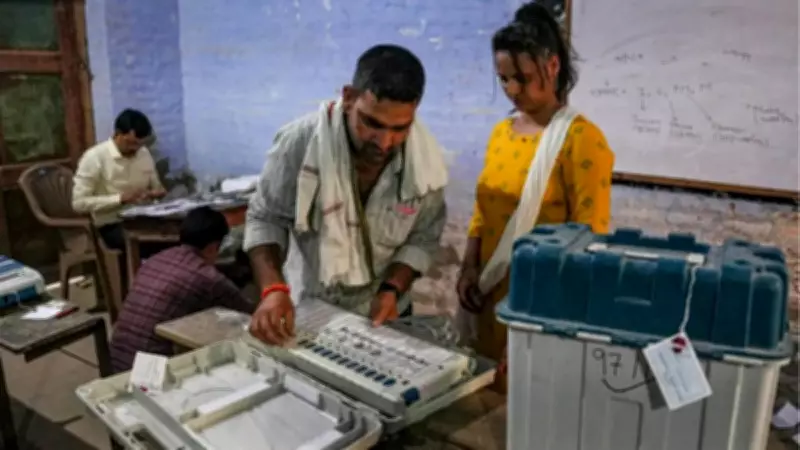
Latur's Local Governance: A Look Back at 2017 and Ahead to 2026
The electoral landscape for local governance in Latur district, Maharashtra, has been defined by a notable timeline, with the last elections for the Zilla Parishad and Panchayat Samitis conducted in 2017. These bodies play a crucial role in rural administration, overseeing development projects, public services, and community welfare at the grassroots level. The 2017 polls were a significant event, shaping the political dynamics and administrative priorities in the region for years to come.
2017 Elections: A Recap of Results and Impact
In 2017, voters across Latur participated in the elections to choose representatives for the Zilla Parishad and various Panchayat Samitis. The results from that year determined the composition of these local bodies, influencing decisions on infrastructure, education, healthcare, and agricultural support. The electoral outcomes reflected the prevailing political sentiments and local issues, with parties competing fiercely to secure control over these key administrative units. The tenure following the 2017 elections has seen these bodies implement policies and initiatives aimed at addressing rural challenges and fostering development in the district.
Next Elections Scheduled for 2026: What to Expect
Looking ahead, the next elections for the Latur Zilla Parishad and Panchayat Samitis are slated for 2026, marking a nine-year gap since the last polls. This extended period between elections highlights the structured electoral cycle for local governance in Maharashtra, as mandated by state regulations. The upcoming 2026 elections are anticipated to be a pivotal moment, with potential shifts in political alliances, emerging local issues, and evolving voter expectations. Stakeholders, including political parties, candidates, and residents, are likely to begin preparations well in advance to navigate the electoral process and campaign effectively.

Key Aspects of the Electoral Process:
- Zilla Parishad: This district-level body coordinates development activities and allocates resources across the district, making its elections critical for regional progress.
- Panchayat Samitis: These block-level committees focus on implementing schemes and programs at a more localized scale, directly impacting village communities.
- Electoral Timeline: The gap from 2017 to 2026 underscores the importance of continuity and periodic renewal in local governance structures.
As Maharashtra continues to emphasize decentralized governance, the elections in Latur serve as a microcosm of broader trends in rural democracy. The outcomes of the 2026 polls will not only determine leadership but also set the direction for future development initiatives in the district. Residents and observers alike are keenly watching this electoral cycle, recognizing its significance for local empowerment and administrative efficiency.






