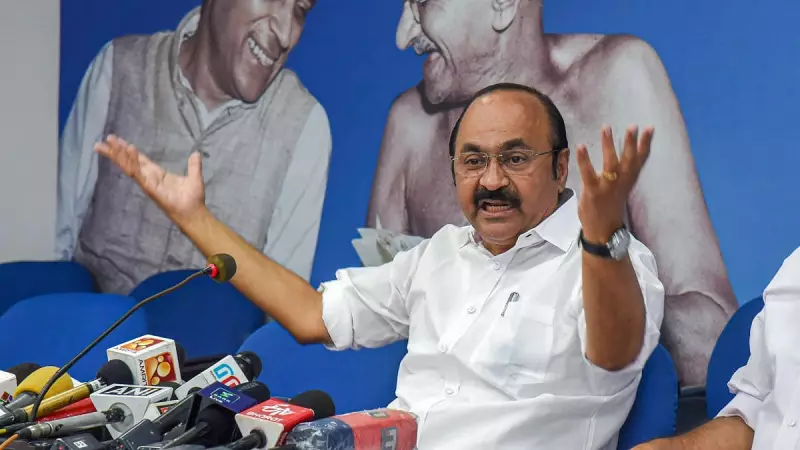
Kerala's Leader of the Opposition, VD Satheesan, has formally intervened in a developing controversy surrounding a parody song related to the Sabarimala temple. He has written to the US-based tech giant Meta, urging it not to remove links to the song titled 'Pottiye Kettiye' from its social media platforms unless directed by a judicial order.
The Core of the Controversy
This direct communication from the senior Congress leader comes in response to reports that the Kerala police had initiated steps to have the song's links taken down from various social media sites. The song, which is a satirical take, has sparked debate in the state. Satheesan's letter, dated 19 December 2025, emphasizes the importance of due process and legal oversight in matters of content moderation.
Satheesan's Stand on Free Expression and Legal Procedure
In his communication to Meta, VD Satheesan has reportedly argued that a judicial order should be the prerequisite for any action to remove content. His position underscores a principle that platforms should not act solely on administrative or police requests, which could potentially infringe on freedom of expression. This move places the spotlight on the delicate balance between maintaining law and order and upholding constitutional rights in the digital age.
The issue touches upon the broader, ongoing discussion about the responsibilities of global social media platforms operating in India. It raises critical questions about their compliance with local laws versus their own community standards, and the appropriate channel for state authorities to seek content removal.
Implications and the Road Ahead
The situation remains fluid as Meta reviews the request. The company's response will be closely watched, as it could set a precedent for how similar cases are handled in the future. The Kerala police's original request and the political intervention by the Leader of the Opposition highlight the multifaceted nature of governing online speech, especially when it involves religious sentiments and satirical content related to revered institutions like the Lord Ayyappa temple in Sabarimala.
This incident is likely to fuel further debate among policymakers, free speech advocates, and law enforcement agencies on creating a clear, rights-respecting framework for online content regulation in India.