

Bhubaneswar's Subsidized Meal Centers Overwhelmed Amid Severe LPG Shortage
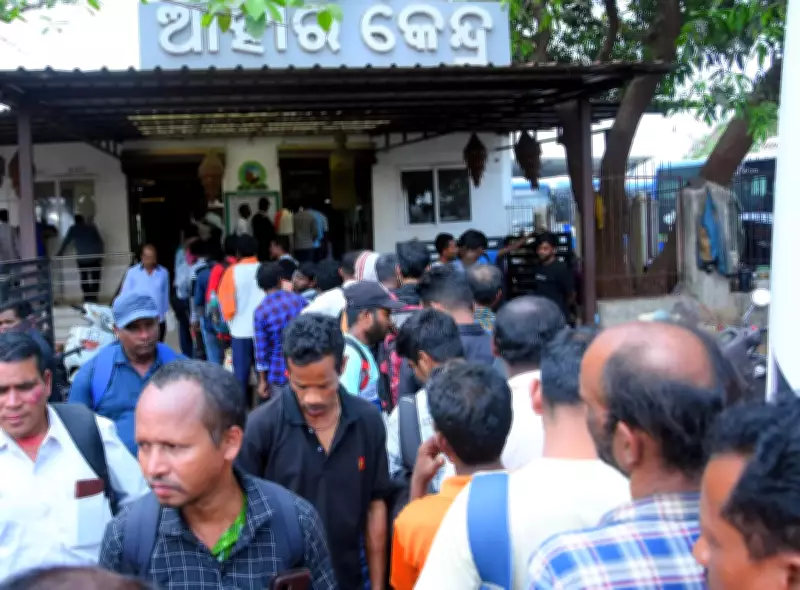
Government-operated Aahaar centers across Bhubaneswar are experiencing an extraordinary and sustained increase in daily visitors as the ongoing liquefied petroleum gas (LPG) crisis continues to disrupt household cooking arrangements throughout the city. For a growing segment of the population, particularly students, young migrant laborers, and low-income private sector employees, the heavily subsidized meals of rice and dalma, priced at a mere five rupees, have transformed from a social welfare service into an essential daily necessity.
Unprecedented Queues and Rising Anxiety Among Regular Beneficiaries
Over the past week, lines have visibly and consistently lengthened outside numerous Aahaar outlets. Volunteers and staff report significant challenges in managing the heightened rush during peak lunch and dinner hours. This new influx is causing concern among the centers' traditional beneficiaries—daily wage laborers, homeless individuals, and elderly citizens—who fear their reliable access to affordable nutrition may be compromised.
"We depend on this single meal every single day. If this new rush keeps growing, I am deeply worried the food may run out before we even get our turn," expressed Jagyasena Pradhan, a sanitation worker operating near the Rasulgarh area, highlighting the tangible anxiety on the ground.

Officials Confirm Spike Beyond Seasonal Norms
Administrative officials have confirmed that the current surge in footfall far exceeds the usual seasonal variations typically observed during examination periods or major festival weeks. The primary driver cited by new patrons is the complete inability to access LPG cylinders, even through unofficial channels at inflated black-market prices.
"We are witnessing many new faces every single day. The overwhelming majority explain they cannot find LPG anywhere, so they are now depending on us for at least one properly cooked meal," stated Dilip Sahoo, a worker at the Aahaar center located near Press Chhak.
Student and Young Professional Communities Hit Hardest
The crisis is proving particularly acute for students residing in rented accommodations or paying guest facilities. Previously, many managed by purchasing small cylinders at steep rates, but this supply has now virtually dried up, exacerbated by global energy market disruptions linked to the West Asia conflict.
"I used to procure black-market refills for between 180 and 200 rupees, but now there is absolutely nothing available. The Aahaar meals have become the only practical and affordable option for a hot meal," explained Amit Dash, a BTech student from Ghatikia.
Young professionals in the private sector, who typically rely on quick and low-cost cooking setups, are facing parallel difficulties. The crisis has also impacted small local eateries, many of which have reduced operations or simplified their menus due to the same supply constraints.
"Even the small food stalls near our office complexes have either shut down or drastically cut their offerings. Therefore, coming here has become a necessity," said Priya Jena, a corporate employee working at Infocity.
Mounting Pressure on Service Infrastructure and Future Concerns
The rising dependence on the Aahaar network has sparked serious concerns regarding operational capacity and service sustainability. Center staff members report they are managing the increased demand for now, but warn that if the LPG shortage persists, the facilities may require enhanced food supply chains and additional manpower, especially during peak demand windows.
Strategically located in high-traffic areas such as major bus stands, railway stations, and hospital complexes, these centers typically serve around one thousand meals per day. Many locations have reported exhausting their daily stock much earlier than usual due to the ongoing rush, signaling a system under significant strain.






