

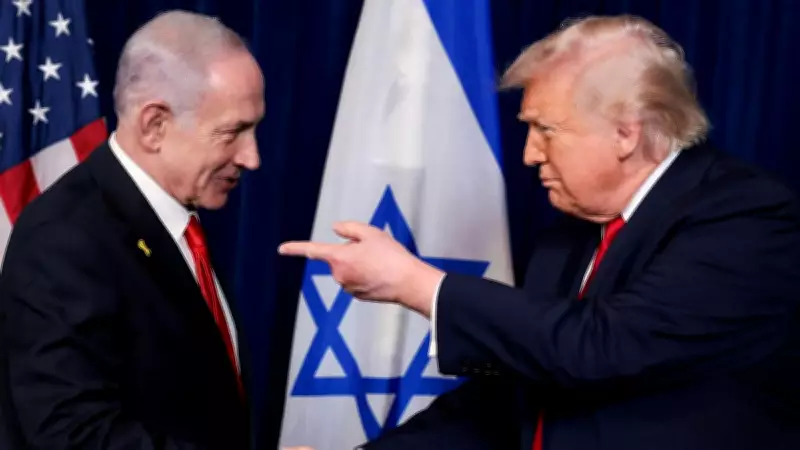
Trump Authorized Iran Operation Following Netanyahu's Push for Joint Strike on Khamenei
In a significant revelation, former U.S. President Donald Trump approved a covert operation targeting Iran after Israeli Prime Minister Benjamin Netanyahu presented a compelling case for a joint effort to eliminate Supreme Leader Ali Khamenei. According to sources familiar with the matter, Netanyahu argued that this moment presented a unique and potentially unrepeatable opportunity to strike at the heart of the Iranian regime.
Netanyahu's Decades-Long Advocacy for Action
Prime Minister Netanyahu, who has long advocated for decisive action against Iran, emphasized that the timing was critical. He reportedly stressed that there might never be a better chance to carry out such an operation, framing it as a strategic necessity for both Israeli and American security interests. Netanyahu's determination to move forward was rooted in years of urging for such measures, viewing this as a pivotal moment to address longstanding threats.
Motivations Behind the Proposed Strike
The Israeli leader's arguments were multifaceted. Firstly, he highlighted the potential to avenge previous Iranian efforts to assassinate Donald Trump, which added a personal and political dimension to the operation. Secondly, Netanyahu pointed to the broader geopolitical context, suggesting that eliminating Khamenei could significantly weaken Iran's influence in the Middle East and disrupt its regional activities. This dual rationale aimed to secure Trump's approval by appealing to both retaliatory instincts and strategic objectives.

- Netanyahu viewed the operation as a historic opportunity that might not arise again.
- The proposal included elements of retaliation for past Iranian assassination plots against Trump.
- The joint nature of the operation was emphasized to ensure coordinated efforts between the U.S. and Israel.
Trump's Decision and Its Implications
After considering Netanyahu's arguments, Trump gave the green light for the operation, marking a significant escalation in covert actions against Iran. This decision underscores the close yet complex relationship between the U.S. and Israel under his administration, where shared security concerns often drove policy moves. The approval reflects a willingness to engage in high-risk strategies to counter perceived threats from Iran, aligning with Trump's broader foreign policy approach of taking assertive measures against adversarial regimes.
Sources indicate that the details of the operation remain classified, but its authorization highlights the ongoing tensions and covert maneuvers in U.S.-Iran relations.The revelation, as reported by Reuters, sheds light on the behind-the-scenes dynamics that shape international conflicts and alliances. It illustrates how personal vendettas and strategic calculations can intertwine in high-stakes diplomatic and military decisions, with lasting implications for global stability.






