

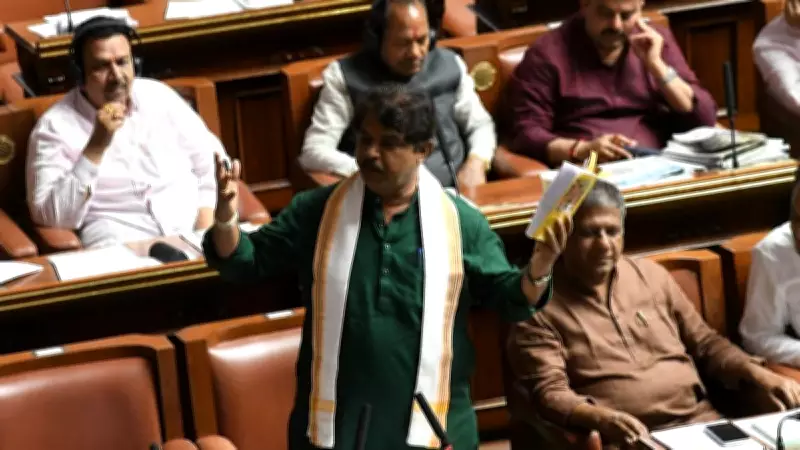
LPG Cylinder Shortage Sparks Uproar in Karnataka Assembly Session
A severe shortage of liquefied petroleum gas (LPG) cylinders across Karnataka has triggered a major political storm, leading to chaotic scenes and heated exchanges in the state legislative assembly. The crisis, which has left many households struggling to access cooking fuel, became the focal point of intense debate, with opposition parties launching a fierce attack on the government for its alleged failure to manage the supply chain effectively.
Assembly Proceedings Disrupted by Fuel Crisis Debate
The issue erupted during the assembly session when members from opposition benches raised urgent concerns about the widespread unavailability of LPG cylinders in various districts. Reports indicate that consumers have been facing significant delays in refills, with some waiting for weeks despite bookings, causing immense hardship, especially in rural and semi-urban areas. The opposition accused the ruling dispensation of gross negligence and demanded immediate intervention to resolve the supply bottlenecks.
Key points of contention included allegations of mismanagement by oil marketing companies and insufficient coordination between state and central agencies. Legislators highlighted that the shortage has exacerbated during peak demand periods, affecting daily life and raising questions about the government's preparedness. In response, treasury bench members defended their actions, citing external factors such as logistical challenges and increased consumption, but the explanations did little to placate the agitated opposition.

Political Fallout and Public Outcry
The disruption in the assembly underscored the broader public frustration over the LPG crisis, with social media and local reports amplifying complaints from affected families. Many have resorted to using alternative fuels like firewood or kerosene, posing health and environmental risks. The political fallout is significant, as the issue touches on essential services and could impact voter sentiment in the upcoming electoral cycles.
Analysts note that such crises often reflect deeper systemic issues in supply chain management and governance. The Karnataka assembly chaos serves as a reminder of how basic commodity shortages can escalate into major political confrontations, testing the administration's responsiveness and accountability.
Government's Response and Future Steps
Following the uproar, government representatives assured the house that measures are being taken to normalize LPG supply, including increased allocations and better distribution mechanisms. However, opposition leaders remain skeptical, calling for a transparent inquiry and concrete timelines for resolution. The incident has set the stage for continued scrutiny, with promises of follow-up discussions in subsequent sessions.
In summary, the LPG cylinder shortage in Karnataka has not only disrupted household routines but also ignited a fierce political battle in the state assembly, highlighting the critical link between public welfare and governance. The situation remains fluid, with all eyes on how quickly the supply issues can be addressed to restore normalcy.






