

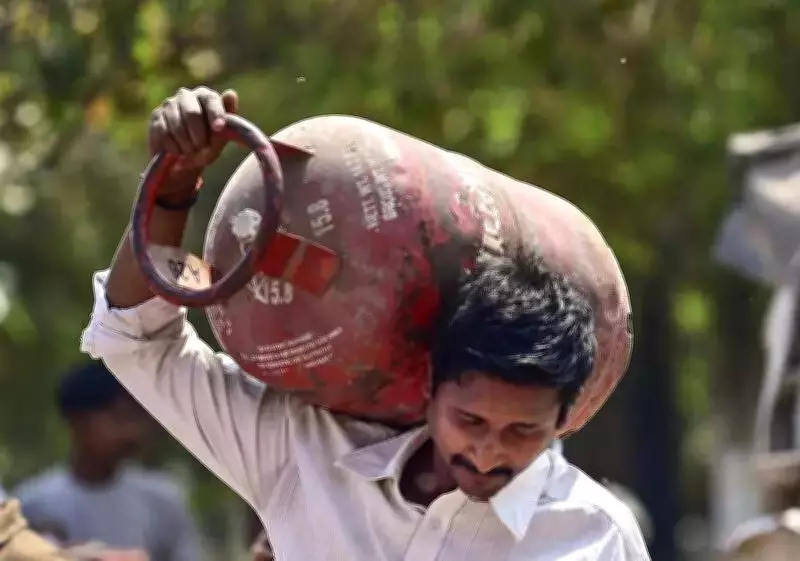
LPG Crisis in Lucknow Forces Migrant Vendors to Shut Shops and Return to Villages
A deepening LPG shortage and soaring prices are crippling small vendors across Lucknow, forcing many migrant workers—largely from eastern Uttar Pradesh districts—to shut businesses and return to their villages. The irregular supply and inflated costs have created a survival crisis for daily-wage earners, pushing them to the brink of financial collapse.
Vendors from Eastern UP Districts Struggle to Survive
Vendors from districts such as Azamgarh, Basti, Deoria, Mau, Ballia, Jaunpur, and Kushinagar reported that the unreliable LPG availability and exorbitant prices have made it impossible to continue their livelihoods in the city. "We are earning less and spending more on gas," said Rakesh Maurya from Azamgarh, who operates a bun-butter tea stall in Hazratganj. Similarly, in Indiranagar, Arvind Mishra from Basti, who runs a fast-food cart, stated, "I haven't received a cylinder for 10 days; work has stopped."
Personal Stories Highlight the Harsh Reality
Mishra added, "I used to earn Rs 500 daily and now will not be able to pay my home rent, so I thought of returning to my home in Basti." In Nishatganj, Rahul Verma from Deoria, a chaat vendor, explained, "There is no option but to return to the village. LPG is available in black and is very expensive." He sold jewellery to buy an induction stove but found it inadequate for quick cooking, leading to customer impatience. In Gomtinagar, Manoj Singh from Ballia emphasized, "Gas is being sold at double rate in black; how can we run our shop?"

Impact on Daily Earnings and Living Conditions
Mohammed Arif from Kushinagar, a kebab/paratha vendor in Chowk, noted that daily earnings are directly hit. When he attempted to cook with firewood after running out of gas, his landlord stopped him due to safety concerns. This incident underscores the desperate measures vendors are taking to cope with the crisis. The situation has forced many to skip meals or consider returning to their villages, as seen in areas like Transport Nagar, Talkatora industrial belt, and Chinhat, where groups of migrant workers with bags and bedding have begun leaving the city.
Workers from Small Units Also Affected
Workers from small units in Sarojini Nagar and Amausi revealed that despite having jobs, they are unable to sustain themselves due to unaffordable cooking gas. Manoj Kumar, a labourer from Unnao working in a packaging unit in Chinhat, said even when gas is available, it is too expensive. Shankar Soni from Bahraich, employed in Talkatora, has been trying to refill his cylinder for over a week without success, with dealers citing no stock.
Families on the Verge of Closure
At Gupta Chaat Corner in Burlington, a couple running the stall for years expressed fear of closure as their cylinder nears exhaustion. "This is our only livelihood. With no refill in sight, we don't know how we will manage our expenses or our children's education," they said. In Hussainganj, a baati chokha vendor and his speech-impaired father have already closed their outlet and returned to their village, highlighting how the crisis is displacing entire families from the city.
Broader Implications for Lucknow's Economy
The LPG shortage and inflated prices are not just a personal hardship but a significant economic issue for Lucknow. The exodus of migrant workers threatens the vibrancy of local markets and small businesses, potentially leading to long-term impacts on the city's informal economy. Authorities and policymakers must address this crisis urgently to prevent further displacement and support the livelihoods of these essential workers.






