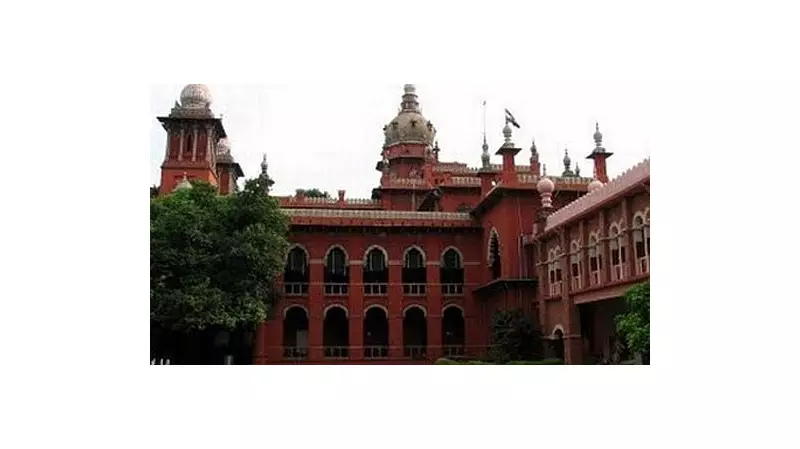
The Madras High Court delivered a significant ruling on Friday, granting interim bail to controversial blogger and political commentator 'Savukku' Shankar. In a strongly worded order, the court also expressed severe criticism of the ruling Dravida Munnetra Kazhagam (DMK) government in Tamil Nadu for its handling of the case.
Court's Decision and Grounds for Bail
A division bench of the Madras High Court approved the interim bail for a period of 12 weeks. The decision came on a petition filed by Shankar's mother, who pleaded that her son is a cardiac patient requiring specialised medical care and attention. The bench, considering the humanitarian grounds and the petitioner's health condition, deemed it fit to grant the relief sought.
The court's order was passed on 26 December 2025. The bench meticulously examined the plea which highlighted the urgent need for Shankar to receive proper medical treatment, which his family argued was not adequately available in custody.

Sharp Remarks Against State Government
Beyond granting bail, the judicial bench came down heavily on the state administration. The observations made by the court pointed towards apparent overreach and a potentially vindictive approach by the government machinery in the case against the blogger.
The judges questioned the proportionality and necessity of the state's actions, suggesting that the legal process seemed to be employed with undue severity. This judicial reprimand adds a notable political dimension to the legal proceeding, placing the DMK government's actions under scrutiny.
Implications and Next Steps
The grant of bail, though interim, provides a major reprieve for Shankar, who has been a vocal critic of various political parties through his online commentary. The 12-week period will allow him to address his health concerns.
However, this is not an absolute discharge. The interim bail is conditional, and the case against him will continue its course in the judicial system. The court's strong criticism is likely to fuel further political debate in Tamil Nadu, with opposition parties expected to capitalise on the judiciary's remarks targeting the state government.
The ruling underscores the judiciary's role in protecting individual rights and ensuring that state power is exercised within reasonable bounds. All eyes will now be on the subsequent hearings and the state government's official response to the court's pointed observations.