

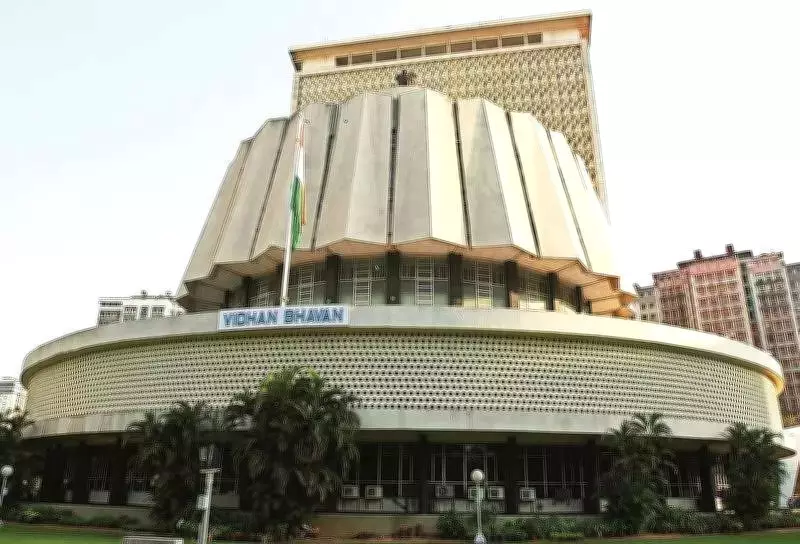
Maharashtra Assembly Approves Land Revenue Code Amendment Bill for Public Works
The Maharashtra Legislative Assembly on Monday passed the Maharashtra Land Revenue Code (Amendment) Bill, a significant move aimed at unlocking thousands of hectares of uncultivated grazing land, known as gairan, for public works in municipal corporation and council areas across the state.
Key Provisions and Ministerial Statements
Revenue Minister Chandrashekhar Bawankule emphasized that the bill will facilitate the use of approximately 7,700 hectares of gairan land for public projects, while strictly prohibiting any commercial exploitation. He stated, "Gairan land is generally protected and cannot be diverted or leased for other purposes, except for public projects or if no other suitable land is available, subject to strict regulations." This ensures that the land remains dedicated to community benefits rather than private gain.
Regulatory Framework and Land Management
Under the new rules, such land will be registered as collector's land, requiring mandatory permission from the district collector for any use. The process involves measuring the land, removing encroachments, and transferring control to the government. This structured approach aims to prevent misuse and ensure transparency in land allocation for development works.

Impact on Municipalities and Development
Officials highlighted that this decision is expected to make uncultivated land available in 29 municipalities and numerous smaller towns, potentially accelerating infrastructure and public service projects. The bill now awaits clearance from the Legislative Council, followed by ratification from the governor and the President to become law.
Additional Legislative Action: Stamp Duty Amendment Bill
In a related development, the assembly also passed the Maharashtra Stamp (Amendment) Bill, 2026, designed to expedite the disposal of stamp duty refund applications. This bill decentralizes financial powers within the revenue department, allowing authorities under the Chief Controlling Revenue Authority (CCRA) to grant refunds up to Rs 20 lakh, while higher amounts will still require CCRA referral. This move aims to streamline administrative processes and reduce delays in refund approvals.
The passage of these bills marks a proactive step by the Maharashtra government in enhancing land utilization and administrative efficiency for public welfare.






