Maharashtra Cabinet Approves Draft of Stringent Anti-Conversion Bill
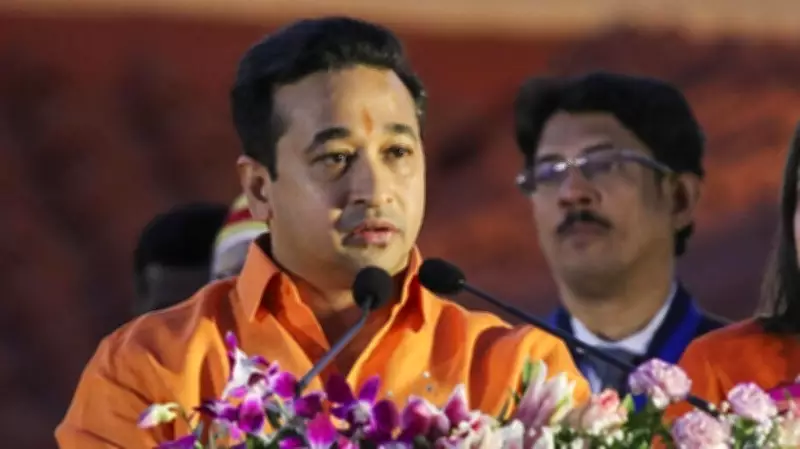
The Maharashtra cabinet has given its approval to a draft for a highly stringent anti-conversion bill, signaling a significant move in the state's legislative agenda. According to Nitesh Rane, a key figure in the process, this bill is designed to be exceptionally rigorous in its provisions and enforcement mechanisms.
Key Details of the Draft Bill
The draft bill, which has been cleared by the cabinet, is expected to be introduced in the state legislature during the ongoing session. This timing underscores the urgency and priority placed on this legislation by the state government. The bill aims to regulate and restrict religious conversions, with a focus on preventing forced or fraudulent practices.
Nitesh Rane, in his statements, highlighted that the bill will incorporate very stringent measures to ensure compliance and deter violations. He emphasized that the provisions are crafted to address concerns related to conversion activities, making it one of the toughest laws of its kind in India.
Legislative Process and Implications
The approval by the cabinet marks a crucial step forward, paving the way for the bill to be presented before the Maharashtra legislature. Once introduced, it will undergo debates and discussions among lawmakers, potentially leading to amendments before final enactment.
This development is part of a broader trend in Indian states enacting anti-conversion laws, often referred to as "love jihad" laws, to regulate interfaith marriages and conversions. Maharashtra's move aligns with similar efforts in other states, reflecting ongoing political and social debates on religious freedom and security.
The bill's stringent nature, as described by Rane, suggests that it may include harsh penalties for violations, such as imprisonment or fines, and could require prior approval from authorities for conversions. This could impact religious communities and individuals involved in conversion-related activities, raising questions about implementation and enforcement.
Context and Reactions
Maharashtra, being a diverse state with a mix of religious groups, has seen previous discussions on anti-conversion measures. The current draft builds on earlier proposals, aiming to provide a legal framework to address perceived issues. Supporters argue that it protects vulnerable individuals from coercion, while critics may view it as restrictive to religious rights.
As the bill moves through the legislative process, stakeholders from various sectors, including religious organizations, civil society, and political parties, are likely to weigh in. The outcome could influence similar initiatives in other states and shape the national conversation on conversion laws.
In summary, the Maharashtra cabinet's approval of the draft anti-conversion bill, with its stringent provisions as highlighted by Nitesh Rane, sets the stage for a pivotal legislative debate in the ongoing session, with potential far-reaching implications for the state's legal and social landscape.