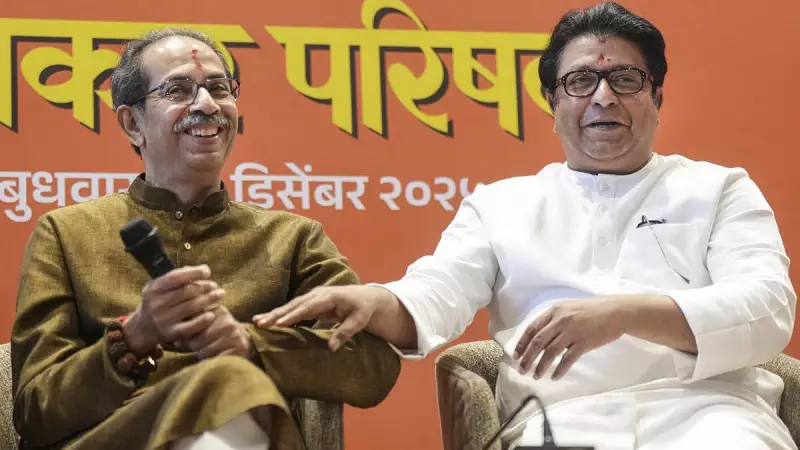
As Maharashtra prepares for a series of crucial municipal elections, traditional political battle lines are becoming increasingly indistinct. The stage is set for a significant democratic exercise where a vast electorate will shape the future of urban local governance across the state.
A Massive Electoral Exercise
The upcoming civic polls represent one of the largest exercises in local democracy. A total electorate of 3.48 crore (34.8 million) citizens is eligible to cast their vote. These voters will determine the political fate of candidates contesting across 2,869 electoral wards and seats in various municipal corporations and councils.
All eyes are particularly focused on the crown jewel of these contests—the BrihanMumbai Municipal Corporation (BMC). As the richest civic body in India, control of the BMC is a major prize for any political party. The election for its 227 wards is expected to be the most fiercely contested battle, setting the tone for the state's political climate.

Blurring Political Ideologies
The political landscape leading into these polls is marked by fluidity and unexpected alignments. Established party ideologies appear to be taking a backseat to pragmatic electoral calculations. Major players like the Bharatiya Janata Party (BJP), the Congress, the Nationalist Congress Party (NCP), and the various factions of the Shiv Sena—including Shiv Sena (UBT) and NCP (SP)—are all key contenders.
This has led to a scenario where former allies are now rivals, and old adversaries are exploring cooperative strategies. The focus has shifted from pure ideological stands to local issues, governance delivery, and strategic partnerships aimed at securing a majority in the vital civic bodies.
What's at Stake?
The outcomes of these elections will have far-reaching consequences. Municipal corporations control essential services and significant budgets that directly impact citizens' daily lives—from water supply and waste management to infrastructure and public health.
Winning control, especially of the BMC, provides a party with substantial administrative experience, financial resources, and a powerful platform to build its base ahead of larger state-level elections. The results will serve as a critical barometer of public sentiment towards the current state and national political alliances.
With the election process now in motion, political campaigns are intensifying across Maharashtra. The coming weeks will reveal whether voters prioritize party loyalty, local leadership, or manifestos promising better urban management. The verdict of 3.48 crore voters is awaited with keen interest.