

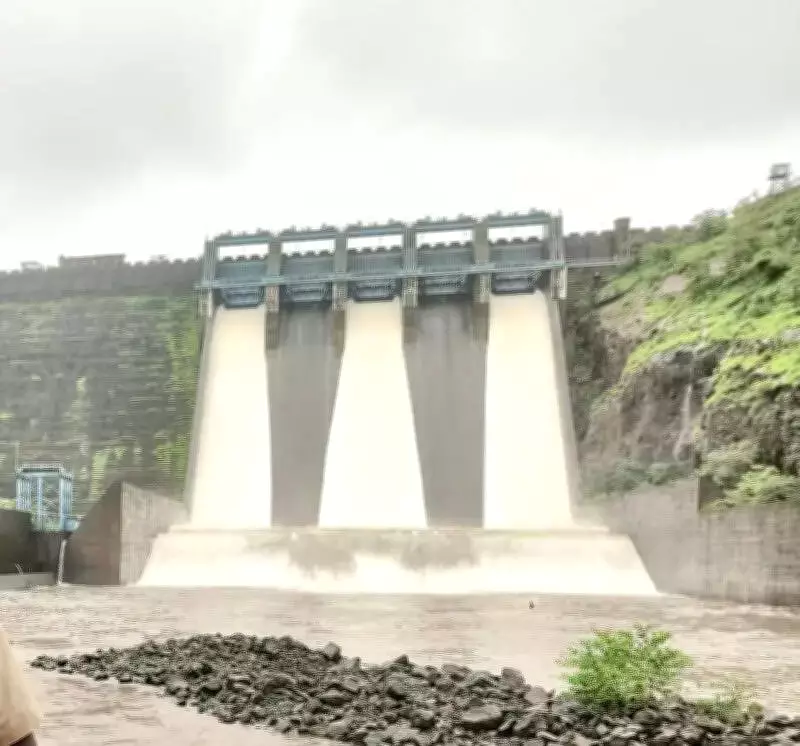
Maharashtra Dams Report Robust Water Storage Levels, But El Niño Poses Future Threat
The Maharashtra state cabinet received a crucial update on Wednesday regarding the water storage situation across the state. According to the latest data, dams throughout Maharashtra currently hold approximately 653.63 thousand million cubic feet (TMC) of water. This represents a substantial increase compared to the previous year, with current storage levels being 101.77 TMC higher than the 551.86 TMC recorded at the same time last year.
Chief Minister Fadnavis Calls for Water Austerity Measures
Despite the encouraging storage figures, Chief Minister Devendra Fadnavis has issued a stern warning about potential water scarcity in the coming year. He emphasized the need for judicious and careful use of water resources to mitigate the risks posed by irregular rainfall patterns expected due to the El Niño effect. The possibility of erratic monsoon rains this year necessitates immediate action to ensure sustainable water management, Fadnavis stated during the cabinet meeting.
Historical Data Highlights El Niño's Impact on Water Availability
Deepak Kapoor, the Additional Chief Secretary of the Water Resources Department, delivered a detailed presentation to the cabinet. His analysis included current water storage levels in all state dams and a forecast of the likely consequences of the El Niño phenomenon. Kapoor provided historical context, noting that in 2014, water storage declined by 12% due to El Niño effects, followed by a 14% drop in 2015. Both years experienced severe water scarcity as a direct result of these declines, underscoring the potential gravity of the current situation.

Long-Term Planning and Austerity Measures Announced
In response to these concerns, Chief Minister Fadnavis has directed the implementation of comprehensive austerity measures. The primary objective is to guarantee the availability of drinking water for the state's population until at least the end of August 2026. This long-term planning initiative aims to build resilience against climate variability and ensure water security. The government plans to enforce strict water usage protocols and promote conservation efforts across agricultural, industrial, and domestic sectors.
The cabinet's discussion highlighted a critical balance between current abundance and future uncertainty. While Maharashtra enjoys improved water reserves this year, the looming threat of El Niño-driven drought requires proactive and disciplined resource management to avert a crisis.






