Maharashtra Hindu Organization Calls for Anti-Love Jihad Legislation
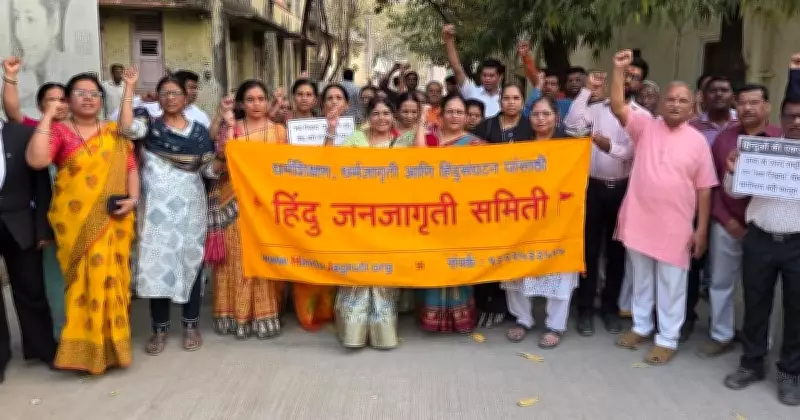
The Hindu Janajagruti Samiti has issued a formal demand to the Maharashtra Government, urging the immediate passage of a stringent and non-bailable law targeting what it terms 'love jihad' and illegal religious conversions. The organization is pushing for this legislation to be introduced in the upcoming legislative session, drawing inspiration from similar laws already enacted in states like Uttar Pradesh and Uttarakhand.
Demand for Life Imprisonment Provisions
In its appeal, the Hindu Janajagruti Samiti has specifically called for provisions that would impose life imprisonment on offenders found guilty under the proposed law. The group argues that such severe penalties are necessary to deter what it describes as coercive or deceptive practices aimed at religious conversion through marriage or other means.
The demand highlights a growing trend in several Indian states to legislate against interfaith marriages and conversions, with Uttar Pradesh and Uttarakhand having already implemented their own versions of anti-conversion laws. These laws typically require prior government approval for conversions and impose strict penalties for violations, often including imprisonment.

Context and Legislative Precedents
The call from the Hindu Janajagruti Samiti comes amid ongoing debates and legal battles surrounding interfaith relationships and religious freedom in India. Proponents of such laws claim they protect vulnerable individuals from forced conversions, while critics argue they infringe on personal liberties and target minority communities.
Maharashtra, being a diverse state with a significant population from various religious backgrounds, has seen previous discussions on similar legislation, but no comprehensive law has been passed to date. The organization's demand adds pressure on the state government to take a definitive stance on this contentious issue.
Potential Implications and Reactions
If enacted, the proposed law could have far-reaching implications for social harmony and legal practices in Maharashtra. It would likely spark intense political and public discourse, with various groups weighing in on its merits and drawbacks.
- The demand underscores the persistent efforts by certain Hindu organizations to influence state policies on religious matters.
- It reflects a broader national pattern where states are increasingly adopting laws to regulate interfaith marriages and conversions.
- The reference to Uttar Pradesh and Uttarakhand laws suggests a strategic move to leverage existing legal frameworks as models for Maharashtra.
As the legislative session approaches, all eyes will be on the Maharashtra Government to see how it responds to this demand and whether it will prioritize such legislation in its agenda. The outcome could set a precedent for other states considering similar measures, making this a critical development in India's ongoing socio-legal landscape.